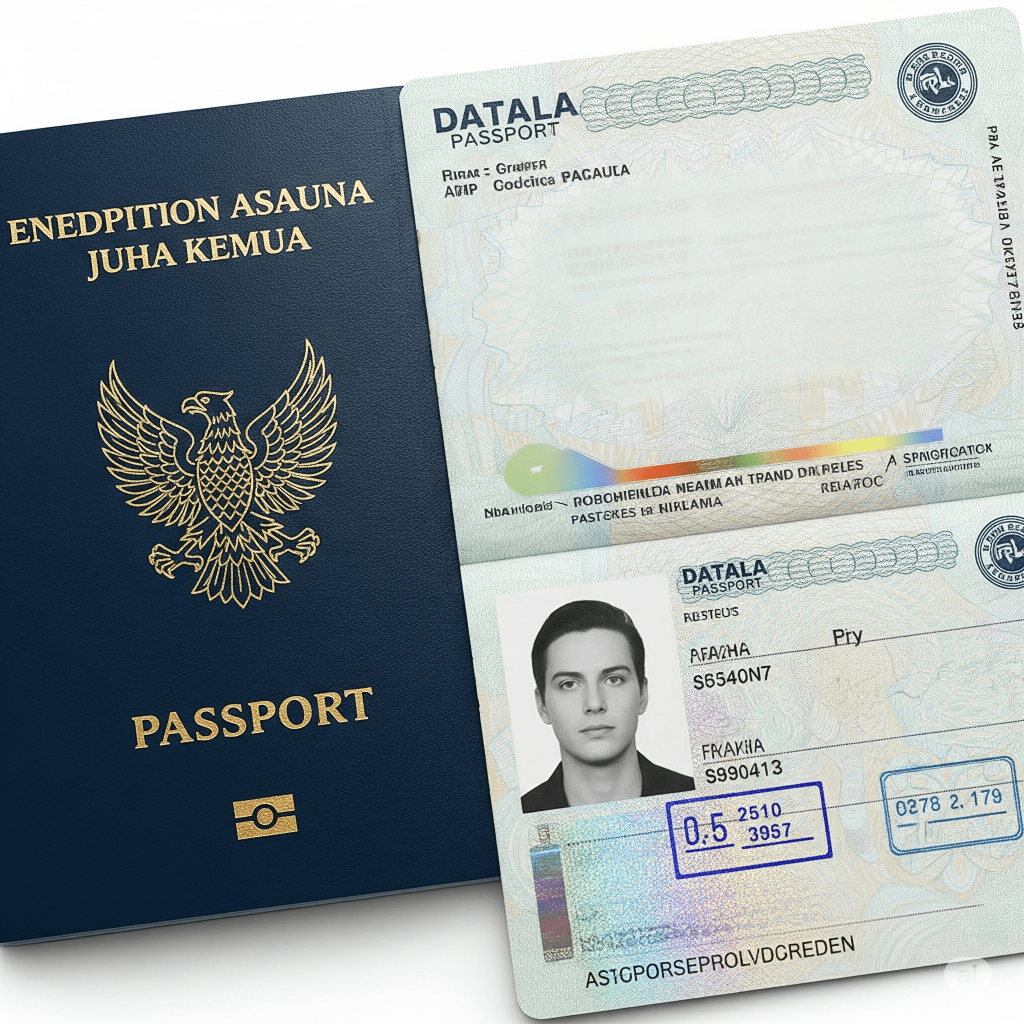
Obtaining a passport and national identity card in Nepal has become more streamlined with digital initiatives and improved government services. Whether you’re applying for your first passport, renewing an existing one, or getting a national identity card, understanding the current procedures can save you time, money, and frustration.
This comprehensive guide covers everything from eligibility requirements to expedited processing options, ensuring you have all the information needed for successful applications in 2025.
Understanding Nepal’s Identity Documents System
Nepal’s identity document system has undergone significant modernization in recent years, with the introduction of biometric technology and digital processing systems. The two primary identity documents – passports and national identity cards – serve different purposes but often require similar documentation and procedures.
Passport Functions: A Nepali passport serves as the primary travel document for international travel, providing proof of citizenship and identity to foreign governments. It also functions as a valid identity document within Nepal for various official purposes including banking, property transactions, and government services.
National Identity Card Purpose: The National Identity Card (राष्ट्रिय परिचयपत्र) serves as the primary domestic identity document for Nepali citizens. Introduced as part of the broader digitization initiative, it’s becoming increasingly important for accessing government services, voting, and various administrative procedures.
Legal Framework: Both documents operate under the Passport Act 2024 (1967) and the National Identity Card and Civil Registration Act 2076 (2019). Recent amendments have modernized procedures, introduced biometric features, and established digital processing systems.
Types of Passports Available in Nepal
Nepal issues several types of passports based on the applicant’s purpose of travel and official status.
Ordinary Passport (सामान्य राहदानी): The standard passport for general citizens traveling for tourism, business, education, or personal purposes. Valid for 10 years for adults and 5 years for minors, this represents the majority of passport applications in Nepal.
Official Passport (सरकारी राहदानी): Issued to government officials traveling on official business. These passports have distinctive covers and may provide certain diplomatic courtesies, though they don’t carry full diplomatic immunity.
Diplomatic Passport (कूटनीतिक राहदानी): Reserved for high-ranking government officials, diplomats, and their families. These passports provide diplomatic privileges and immunities as recognized under international law.
Service Passport: A specialized category for individuals traveling on government service but not qualifying for diplomatic status. These are less common and typically issued for specific missions or assignments.
Eligibility Requirements for Nepal Passport
Citizenship Requirements: All passport applicants must be Nepali citizens by birth, descent, or naturalization. Proof of citizenship through valid citizenship certificates is mandatory for all applications.
Age Requirements:
- No minimum age requirement for passport application
- Minors (under 16) require parental consent and presence
- Adult applicants (16+) can apply independently
- Senior citizens may receive expedited processing in some cases
Residency Requirements:
- No specific residency requirements for citizens living in Nepal
- Nepali citizens living abroad can apply through consular services
- Temporary residents and foreign nationals are not eligible
Legal Status Requirements:
- No outstanding criminal charges or court restrictions on travel
- No existing passport restrictions or previous passport violations
- Compliance with any existing legal obligations (taxes, military service, etc.)
Required Documents for Passport Application
Primary Documentation: Citizenship certificate (नागरिकता प्रमाणपत्र) serves as the fundamental requirement for all passport applications. This must be original and in good condition, with clear text and official seals.
Supporting Identity Documents: Birth certificate or age verification documents are required, particularly for first-time applicants. Educational certificates, marriage certificates, or other official documents may serve as additional identity verification.
Photographic Requirements: Recent passport-size photographs (4cm x 6cm) with specific requirements:
- White background
- Clear facial features
- No head coverings (except religious requirements)
- Professional quality printing
- Six copies for initial applications
Parental Documentation (for minors):
- Both parents’ citizenship certificates
- Birth certificate of the minor
- Parental consent forms
- Guardian authorization if parents are unavailable
Special Category Documents: Government employees may need service verification letters, students may require institutional letters, and certain professions may need professional licensing documentation.
Step-by-Step Passport Application Process
Phase 1: Preparation and Documentation (1-2 weeks) Begin by gathering all required documents and ensuring they are current and valid. Make multiple photocopies of all documents as both originals and copies are typically required during the application process.
Visit the Department of Passport website or nearest passport office to download application forms and verify current requirements. Requirements can change, so checking the most recent information is crucial for avoiding delays.
Phase 2: Online Application Submission (1-2 days) Complete the online application form at the Department of Passport website. The digital system requires accurate information matching your supporting documents exactly. Any discrepancies can cause significant delays.
Upload scanned copies of required documents and photographs according to specified formats and file sizes. Pay the application fee online using available payment methods including banks, mobile banking, and digital wallets.
Phase 3: Appointment Scheduling (1-7 days) Schedule an appointment at your preferred passport office location. Appointment availability varies by location and season, with Kathmandu typically having longer wait times than regional offices.
Confirm your appointment details and arrive at the specified time with all original documents and printed copies of your online application.
Phase 4: Biometric Data Collection (Same day) Attend your scheduled appointment for biometric data collection including fingerprints, photographs, and signature capture. This process typically takes 30-60 minutes depending on office efficiency and applicant volume.
Submit original documents for verification and provide any additional information requested by officials. Ensure all information is accurate as corrections after this stage can be complicated and time-consuming.
Phase 5: Processing and Delivery (7-21 days) Applications undergo security verification, document authentication, and passport production. Processing times vary based on application volume, complexity, and chosen service level.
Track your application status online using the reference number provided during submission. Collect your passport from the designated office or opt for delivery services where available.
Passport Application Fees and Costs
Standard Processing Fees:
- Ordinary passport (10 years): NPR 5,000
- Ordinary passport (5 years): NPR 3,000
- Minor passport (5 years): NPR 2,500
- Additional pages: NPR 500 per page
Expedited Processing Options:
- Rush processing (7 days): Additional NPR 2,000
- Emergency processing (3 days): Additional NPR 5,000
- Same-day service (where available): Additional NPR 10,000
Additional Service Costs:
- Document verification: NPR 500-1,000
- Delivery services: NPR 500-1,500
- Correction fees: NPR 1,000-3,000
- Replacement for lost/damaged: NPR 3,000-5,000
Payment Methods:
- Online banking and mobile payments
- Bank deposits at designated banks
- Credit and debit cards (limited locations)
- Cash payments at select offices
Passport Renewal Process
Renewal Eligibility: Passports can be renewed within one year of expiration or after expiration. Early renewal is possible for travel requirements or when fewer than 6 months remain before expiration.
Required Documents for Renewal:
- Current passport (original)
- Citizenship certificate
- Recent photographs
- Renewal application form
- Fee payment receipts
Renewal vs. New Application: Renewal processes are typically faster and require fewer documents than new applications. However, significantly damaged passports or those with major changes in personal information may require new application procedures.
Processing Time for Renewals:
- Standard renewal: 7-14 days
- Rush renewal: 3-5 days
- Emergency renewal: 1-2 days (with additional fees)
National Identity Card in Nepal
The National Identity Card system represents a major step forward in Nepal’s digital governance initiatives, providing citizens with secure, biometric-enabled identity documents for domestic use.
Introduction and Purpose: Launched nationwide in 2019, the National Identity Card aims to create a comprehensive database of Nepali citizens while providing secure identity verification for various government and private sector services.
Legal Authority: The National Identity Card and Civil Registration Act 2076 (2019) provides the legal framework for card issuance, data management, and usage requirements across various sectors.
Mandatory vs. Optional Status: While not yet mandatory for all citizens, the National Identity Card is increasingly required for accessing government services, banking, and official transactions. Plans exist to make it mandatory for all citizens above 16 years of age.
Features of Nepal’s National Identity Card
Physical Characteristics: The card features advanced security elements including holographic overlays, microprinting, and tamper-evident materials. The standard credit card size makes it convenient for carrying and storage.
Biometric Data: Each card contains encrypted biometric data including fingerprints and facial recognition data, providing high-security identity verification capabilities.
Digital Chip Technology: Embedded smart chip technology stores personal information securely while enabling various digital services and applications.
Information Included:
- Full name in Nepali and English
- Citizenship number
- Date of birth
- Place of birth
- Address
- Emergency contact information
- Biometric identifiers
Eligibility for National Identity Card
Citizenship Requirements: All Nepali citizens are eligible for the National Identity Card regardless of age, though practical considerations may apply for very young children.
Age Considerations: While there’s no minimum age requirement, children under 16 require parental consent and presence during application. Adult cards are valid for 10 years, while minor cards typically have shorter validity periods.
Residency Requirements: Citizens living abroad can apply through consular services, though the process may take longer and require additional documentation.
Document Requirements:
- Valid citizenship certificate
- Birth certificate or age verification
- Recent photographs
- Address verification documents
- Parental consent (for minors)
Application Process for National Identity Card
Online Registration: Begin the process by registering online at the National Identity Management System portal. This requires basic personal information and document uploads.
Appointment Scheduling: Schedule an appointment at the nearest Ward Office or designated enrollment center. Appointment availability varies by location and demand.
Document Verification: Attend your appointment with all required original documents and copies. Officials will verify document authenticity and completeness.
Biometric Enrollment: Provide fingerprints, facial photographs, and signature samples for biometric database enrollment. This process typically takes 15-30 minutes.
Card Production and Delivery: Cards are produced centrally and delivered to collection points or via postal services. Processing typically takes 2-4 weeks from enrollment.
Costs Associated with National Identity Card
Application Fees:
- Initial card issuance: NPR 500
- Replacement for lost/damaged: NPR 1,000
- Address change updates: NPR 200
- Expedited processing: Additional NPR 500
Additional Costs:
- Photograph services: NPR 200-500
- Document photocopying: NPR 100-300
- Transportation to enrollment centers: Variable
- Courier delivery: NPR 300-500
Fee Payment Methods:
- Online payments through government portals
- Bank deposits
- Mobile banking services
- Cash payments at enrollment centers
Digital Services and Integration
Government Service Integration: The National Identity Card integrates with various government databases, enabling streamlined access to services including:
- Tax registration and filing
- Social security benefits
- Healthcare services
- Educational institution enrollment
- Property registration
Banking and Financial Services: Most banks now accept the National Identity Card for account opening, loan applications, and financial transactions, reducing the need for multiple identity documents.
Private Sector Applications: Private companies increasingly accept the National Identity Card for employment verification, service applications, and customer registration processes.
Digital Wallet Integration: The card can be linked to digital payment systems and mobile wallets, enabling secure financial transactions.
Common Issues and Solutions
Document Verification Problems: Issues often arise from inconsistencies in personal information across different documents. Ensure all documents show consistent spelling, dates, and other personal details.
Biometric Enrollment Difficulties: Elderly applicants or those with physical disabilities may face challenges with biometric enrollment. Special accommodations and alternative procedures are available.
Processing Delays: High application volumes during peak seasons can cause processing delays. Plan applications well in advance of travel or other deadline requirements.
Technical System Issues: Online systems may experience temporary outages or technical problems. Keep backup copies of all information and be prepared for alternative submission methods.
Frequently Asked Questions (FAQs)
Passport-Related FAQs
Q: How long does it take to get a passport in Nepal? A: Standard processing takes 15-21 days, while expedited services can deliver passports in 3-7 days with additional fees. Emergency processing is available in exceptional circumstances within 1-2 days.
Q: Can I apply for a passport online in Nepal? A: Yes, the initial application can be completed online through the Department of Passport website, but you must visit a passport office for biometric data collection and document verification.
Q: What is the validity period of a Nepali passport? A: Adult passports are valid for 10 years, while passports for minors (under 16) are valid for 5 years. Renewal is possible within one year of expiration.
Q: How much does a Nepal passport cost? A: A standard 10-year passport costs NPR 5,000, while a 5-year passport costs NPR 3,000. Additional fees apply for expedited processing and other services.
Q: Can I travel with an expired passport? A: No, you cannot travel internationally with an expired passport. Renew your passport before your planned travel date, as many countries require passports to be valid for at least 6 months beyond your intended stay.
Q: What if I lose my passport abroad? A: Contact the nearest Nepali embassy or consulate immediately. You’ll need to file a police report, complete loss declaration forms, and apply for a replacement passport through consular services.
Q: Can I have dual citizenship and a Nepali passport? A: Nepal does not recognize dual citizenship. Acquiring foreign citizenship typically results in automatic loss of Nepali citizenship and passport validity.
Q: What documents do I need for passport renewal? A: You need your current passport, citizenship certificate, recent photographs, completed renewal application form, and fee payment receipt.
National Identity Card FAQs
Q: Is the National Identity Card mandatory in Nepal? A: While not yet mandatory for all citizens, it’s increasingly required for government services, banking, and official transactions. Plans exist to make it mandatory for citizens above 16 years of age.
Q: How long is the National Identity Card valid? A: Adult cards are typically valid for 10 years, while cards for minors may have shorter validity periods. Renewal procedures are similar to initial applications.
Q: Can I use the National Identity Card for international travel? A: No, the National Identity Card is only valid for domestic purposes within Nepal. International travel requires a valid passport.
Q: What should I do if my National Identity Card is lost or stolen? A: Report the loss to local police and the nearest Ward Office immediately. Apply for a replacement card with appropriate documentation and fees.
Q: Can foreign residents get a National Identity Card? A: No, the National Identity Card is exclusively for Nepali citizens. Foreign residents must use their passports and residence permits for identification.
Q: How secure is the National Identity Card? A: The card features advanced security elements including biometric data, smart chip technology, and tamper-evident materials, making it highly secure against forgery.
Q: Can I update information on my National Identity Card? A: Yes, certain information like address changes can be updated through the appropriate government offices. Major changes may require a new card application.
Q: Where can I apply for a National Identity Card? A: Applications can be submitted at Ward Offices, designated enrollment centers, or through mobile enrollment services in some areas.
General Document FAQs
Q: What’s the difference between a passport and National Identity Card? A: Passports are for international travel and serve as proof of citizenship abroad, while National Identity Cards are for domestic identification and accessing government services within Nepal.
Q: Can I apply for both documents simultaneously? A: Yes, you can apply for both documents at the same time, though they have separate processes and requirements. Having both provides comprehensive identification coverage.
Q: What happens if my citizenship certificate is lost? A: You must obtain a replacement citizenship certificate before applying for either passport or National Identity Card. This involves applying to the relevant District Administration Office.
Q: Are there mobile services for document applications? A: Yes, mobile enrollment services are available in some remote areas for National Identity Cards. Some passport offices also offer mobile services for special circumstances.
Q: Can I authorize someone else to collect my documents? A: Generally, you must collect documents personally. However, special authorization procedures may be available for exceptional circumstances with proper legal documentation.
Q: What if there are errors in my issued documents? A: Report errors immediately to the issuing office. Correction procedures are available, though they may involve additional fees and processing time.
Q: How do I check the status of my application? A: Both passport and National Identity Card applications can be tracked online using reference numbers provided during application submission.
Q: Are there special services for senior citizens or disabled individuals? A: Yes, special accommodations including priority processing, assistance services, and alternative procedures are available for senior citizens and individuals with disabilities.
Tips for Successful Applications
Document Preparation: Ensure all documents are current, clearly legible, and show consistent information. Make multiple photocopies and keep originals in good condition.
Online Application Accuracy: Double-check all information entered in online forms, as corrections after submission can be complicated and time-consuming.
Appointment Scheduling: Book appointments well in advance, especially during peak seasons. Arrive early and be prepared for potential delays.
Biometric Data Quality: Ensure your hands are clean and dry for fingerprint capture. Follow photographer instructions carefully for optimal results.
Follow-up Procedures: Monitor application status regularly and respond promptly to any requests for additional information or documentation.
Recent Updates and Modernization Efforts
Digital Integration: Both passport and National Identity Card systems are being integrated with other government databases for improved service delivery and verification capabilities.
Mobile Services: Mobile enrollment and service delivery options are expanding to reach remote communities and provide greater accessibility.
Security Enhancements: Ongoing security improvements include advanced biometric technologies, encrypted data storage, and enhanced anti-counterfeiting measures.
International Standards: Nepal’s identity documents are being upgraded to meet international standards for security, interoperability, and recognition.
Processing Times and Seasonal Variations
Peak Season Considerations: Applications typically increase before major festivals, summer travel seasons, and academic years. Plan accordingly for longer processing times during these periods.
Regional Variations: Processing times vary by location, with urban centers typically having more resources but higher volumes, while rural areas may have longer processing times due to limited infrastructure.
Holiday Impacts: Government offices close during major festivals and holidays, which can affect processing schedules. Plan applications considering holiday calendars.
Expedited Options: Emergency and rush processing services are available for urgent travel or other compelling circumstances, though additional fees apply.
Security Features and Anti-Fraud Measures
Document Security: Modern Nepali passports and National Identity Cards incorporate multiple security features including:
- Biometric data encryption
- Holographic security elements
- Special papers and inks
- Digital watermarks and microprinting
- Tamper-evident materials
Verification Systems: Government and private sector verification systems can authenticate documents through:
- Biometric matching
- Database cross-referencing
- Security feature verification
- Digital signature validation
Fraud Prevention: Citizens should protect their documents from:
- Unauthorized copying or scanning
- Identity theft attempts
- Document forgery or alteration
- Misuse by third parties
International Recognition and Usage
Passport Recognition: Nepali passports are recognized worldwide for international travel, though visa requirements vary by destination country.
Visa-Free Travel: Nepali passport holders can travel visa-free or with visa-on-arrival to several countries, though the list changes periodically based on international agreements.
Consular Services: Nepali embassies and consulates worldwide provide passport services to citizens living abroad, including renewals, replacements, and emergency travel documents.
Document Apostille: For international use, certain documents may require apostille certification to be recognized in foreign countries.
Future Developments and Planned Improvements
Digital Identity Integration: Plans exist to integrate physical documents with digital identity systems for seamless online service access.
Blockchain Technology: Exploration of blockchain technology for secure document verification and fraud prevention is underway.
Mobile Application Development: Mobile applications for document services, status checking, and service access are being developed and expanded.
Artificial Intelligence: AI-powered systems for document processing, verification, and fraud detection are being implemented gradually.
Conclusion
Acquiring a passport and National Identity Card in Nepal has become more efficient and secure with recent modernization efforts and digital integration. Understanding the requirements, processes, and available services enables citizens to obtain these essential documents smoothly and efficiently.
The key to successful applications lies in proper preparation, accurate documentation, and understanding of current procedures. While the processes have been streamlined significantly, attention to detail and following proper procedures remains crucial for avoiding delays and complications.
Both documents serve important but different purposes in citizens’ lives – passports for international travel and global recognition, and National Identity Cards for domestic services and identification. Having both documents provides comprehensive identity coverage for various personal and professional needs.
As Nepal continues modernizing its identity document systems, citizens can expect further improvements in processing times, security features, and service accessibility. Staying informed about current requirements and procedures ensures smooth application experiences and timely document receipt.
The investment in proper documentation pays dividends in terms of travel opportunities, access to services, and official recognition of identity and citizenship. Whether applying for the first time or renewing existing documents, understanding these processes empowers citizens to navigate the system effectively and efficiently.
This guide provides general information about passport and National Identity Card procedures in Nepal as of 2025. Requirements and procedures may change periodically. Always verify current requirements with official government sources – Department of Passport and relevant Ward Offices – before beginning your application process.