
Introduction to DFTQC License in Nepal
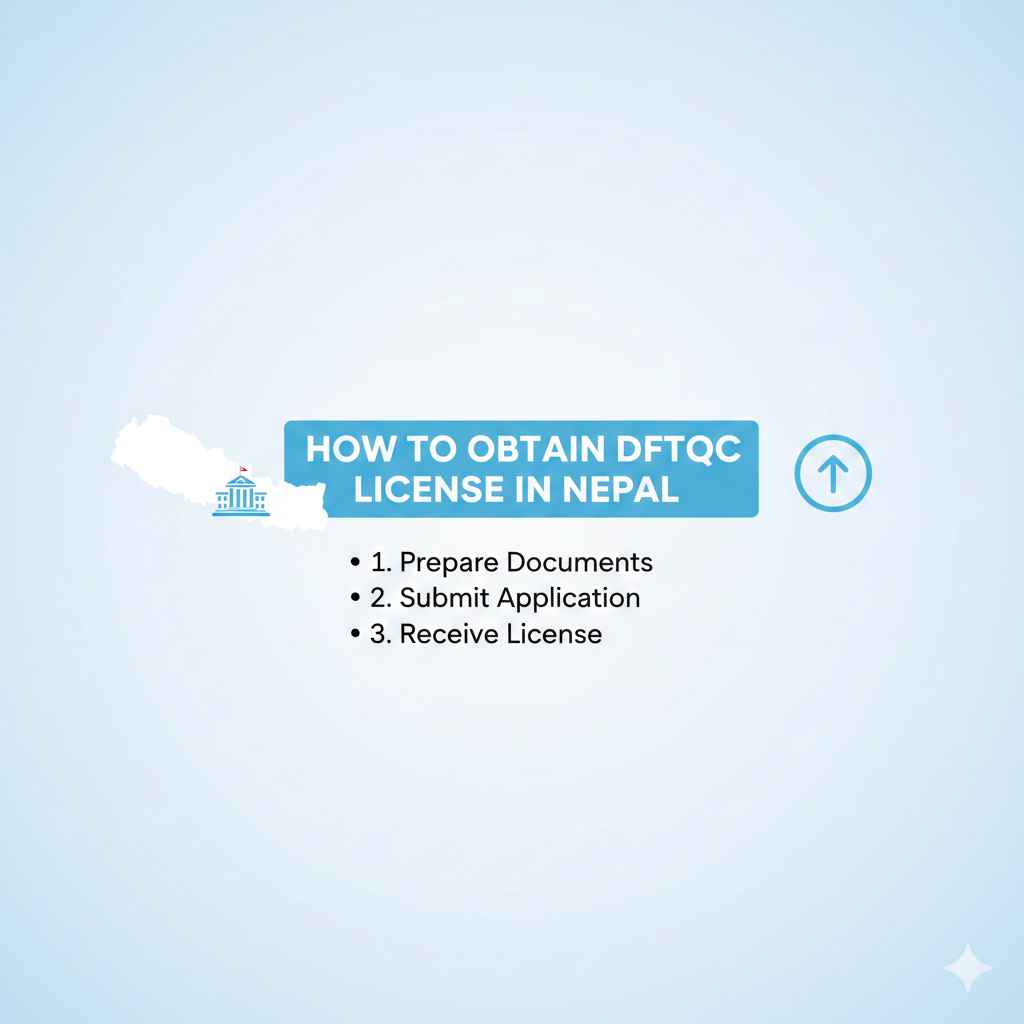
How to obtain dftqc license in Nepal? The Department of Food Technology and Quality Control (DFTQC) in Nepal is recognized as the authoritative body responsible for regulating food safety and quality standards. For any food business to operate legally in Nepal, a DFTQC license must be obtained. This comprehensive guide has been crafted to walk you through the entire process of acquiring this essential license. With over 50 years of experience in Nepal’s legal landscape, our expertise ensures that every aspect of the licensing procedure is thoroughly explained to help your business comply with national food regulations.
Understanding the Role of DFTQC in Nepal
The DFTQC in Nepal was established under the Ministry of Agricultural Development to safeguard public health through the regulation of food products. The department’s primary functions include:
- Setting quality standards for food products
- Conducting regular inspections of food businesses
- Issuing and renewing food licenses
- Taking action against non-compliant businesses
- Providing technical guidance to food entrepreneurs
Food safety standards in Nepal are strictly monitored by this department, making it imperative for businesses to align their operations with the guidelines set forth.
Types of Licenses Issued by DFTQC
Different categories of food licenses in Nepal are issued based on the nature and scale of the food business. The table below outlines the main types:
| License Type | Applicable Business | Validity Period |
|---|---|---|
| Small Scale | Home-based food operations, small eateries | 2 years |
| Medium Scale | Restaurants, food processing units with moderate production | 2 years |
| Large Scale | Food manufacturers, large hotels, export-oriented businesses | 2 years |
| Import/Export | Businesses involved in international food trade | 2 years |
Step-by-Step Process to Obtain DFTQC License in Nepal
1. Application Submission
Firstly, an application form must be completed and submitted to the DFTQC office in Nepal. The form can be obtained either online through the official website or in person at the department’s office located in Kathmandu. All sections of the form should be filled accurately, as any discrepancies may lead to rejection or delays.
2. Document Preparation
Secondly, all necessary documents must be prepared and submitted along with the application. These documents typically include:
- Business registration certificate
- Citizenship certificate of the proprietor
- Tax clearance certificate
- Blueprint/layout of the food establishment
- Details of food products to be manufactured or sold
- Water quality test report
- Health certificates of food handlers
3. Fee Payment
Thirdly, the prescribed fee must be paid based on the type of license being applied for. The fee structure varies according to the scale of operation:
| License Type | Fee (NPR) |
|---|---|
| Small Scale | 2,000 |
| Medium Scale | 5,000 |
| Large Scale | 10,000 |
| Import/Export | 15,000 |
4. Inspection Process
Subsequently, an inspection of the food establishment is conducted by DFTQC officials. During this visit, various aspects are evaluated including:
- Hygiene and sanitation practices
- Storage facilities
- Quality control measures
- Waste management systems
- Overall compliance with food safety standards
5. Sample Collection and Testing
Additionally, food samples may be collected for laboratory testing to ensure they meet the quality standards set by the department. This step is crucial for businesses involved in food manufacturing or processing.
6. License Issuance
Finally, if all requirements are met and the establishment passes inspection, the DFTQC license is issued. The entire process typically takes 15-30 working days, depending on the completeness of documentation and the inspection findings.
Common Challenges and Solutions
Several obstacles may be encountered during the food registration in Nepal process. Below are the most common challenges and their solutions:
| Challenge | Solution |
|---|---|
| Incomplete documentation | Ensure all required documents are prepared beforehand using a checklist |
| Failed inspection | Address all compliance issues before reapplying for inspection |
| Long processing times | Submit applications during non-peak seasons and follow up regularly |
| Technical requirements | Seek guidance from food consultants or legal experts familiar with DFTQC regulations |
Benefits of Obtaining DFTQC License
Numerous advantages are associated with acquiring a food business license in Nepal:
- Legal compliance and avoidance of penalties
- Enhanced consumer trust and credibility
- Access to wider markets, including export opportunities
- Improved food safety and quality standards
- Competitive advantage in the marketplace
Frequently Asked Questions
How long does it take to obtain a DFTQC license in Nepal?
Typically, the process takes 15-30 working days, provided all documents are complete and the establishment meets the required standards.
Can a DFTQC license be renewed online?
Yes, renewal applications can be submitted online through the official DFTQC portal, though final verification may require a physical inspection.
What happens if a food business operates without a DFTQC license?
Operating without a proper food license in Nepal is illegal and can result in fines, business closure, and legal action as per the Food Act of Nepal.
Is a DFTQC license transferable?
No, licenses are non-transferable and are issued to specific individuals or entities for particular locations and business activities.
How often are inspections conducted after license issuance?
Routine inspections are conducted annually, though random checks may also be carried out based on consumer complaints or as part of special monitoring programs.
Conclusion: Ensuring Compliance with DFTQC Regulations
In conclusion, obtaining a DFTQC license in Nepal is a mandatory requirement for any food business operating in the country. While the process may seem complex, proper preparation and understanding of the requirements can significantly streamline the application process. By following the steps outlined in this guide, food entrepreneurs can ensure compliance with national food safety standards and build a foundation for a successful business.
For personalized assistance with your DFTQC license application, contact our legal team today. Our experts specialize in Nepal’s food regulatory framework and can guide you through every step of the process, ensuring a smooth and successful licensing experience.
References
- Department of Food Technology and Quality Control – Official Website
- Food Act of Nepal – Legal Framework
- World Health Organization – Food Safety in Nepal
- Food and Agriculture Organization of the United Nations – Nepal
- Ministry of Agricultural Development – Nepal
- Nepal Food Journal – Research Publications
- Consumer Rights Protection Forum Nepal
- International Food Safety Authorities Network – Nepal
- Nepal Bureau of Standards and Metrology
- World Trade Organization – Nepal’s Trade Regulations