What is Evidence Law in Nepal?
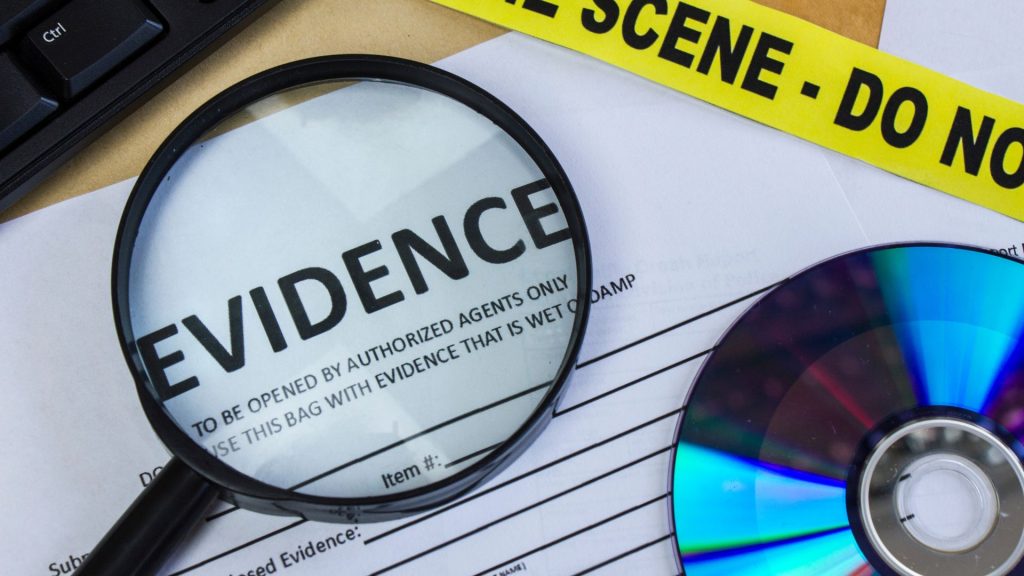
Evidence law in Nepal forms the backbone of the country’s judicial system, governing how facts are presented and proven in legal proceedings. The Evidence Act 2031 (1974) serves as the primary legislation that regulates the admissibility, relevance, and evaluation of evidence in Nepali courts.
This comprehensive legal framework ensures that justice is served through proper presentation of facts, witness testimonies, and documentary evidence. Understanding evidence law becomes crucial for anyone involved in legal proceedings, whether criminal or civil cases.
Key Components of Evidence Law
The Nepali evidence system encompasses several critical elements:
- Documentary Evidence: Written records, contracts, and official documents
- Oral Evidence: Witness testimonies and statements
- Real Evidence: Physical objects and exhibits
- Electronic Evidence: Digital data and cyber forensics
- Expert Evidence: Professional opinions and technical analysis
How to Understand Nepal’s Evidence Act 2031
The Evidence Act 2031 establishes fundamental principles for evidence collection, presentation, and judicial evaluation in Nepal’s legal system. This Act has undergone amendments to address modern legal challenges and technological advancements.
Primary Provisions of the Act
| Section | Description | Application |
|---|---|---|
| Section 1-10 | General Principles | Foundation of evidence law |
| Section 11-20 | Burden of Proof | Who must prove what |
| Section 21-30 | Documentary Evidence | Written proof standards |
| Section 31-40 | Oral Evidence | Witness testimony rules |
| Section 41-50 | Expert Evidence | Professional opinions |
How to Apply Evidence Rules
Successfully navigating evidence law requires understanding these core principles:
- Relevance: Evidence must relate directly to the case
- Admissibility: Must meet legal standards for acceptance
- Reliability: Evidence should be trustworthy and authentic
- Competency: Witnesses must be legally qualified to testify
Forensic Law Framework in Nepal
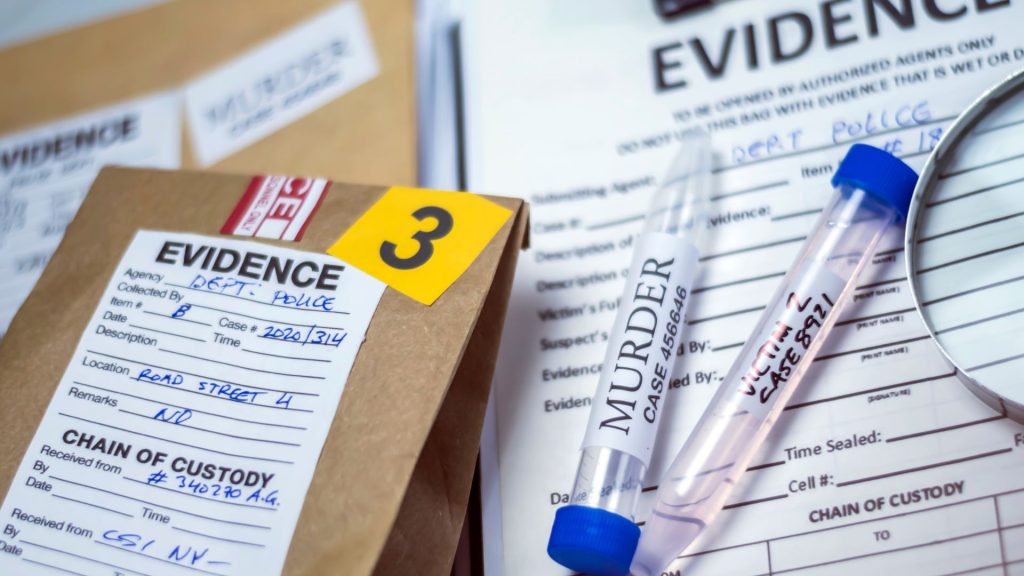
Forensic law in Nepal integrates scientific methods with legal procedures to establish facts in criminal and civil cases. The forensic framework encompasses multiple disciplines including DNA analysis, digital forensics, and medical examinations.
Modern Forensic Applications
Nepal’s forensic system has evolved to include:
- DNA Profiling: Genetic evidence analysis
- Digital Forensics: Cyber crime investigation
- Ballistics: Firearm and ammunition examination
- Toxicology: Poison and drug detection
- Document Examination: Handwriting and signature analysis
Forensic Evidence Standards
| Evidence Type | Required Standard | Legal Weight |
|---|---|---|
| DNA Evidence | 99.9% Match Probability | High |
| Digital Evidence | Chain of Custody | Medium-High |
| Fingerprints | 12-Point Match | High |
| Ballistics | Microscopic Comparison | Medium-High |
| Toxicology | Quantitative Analysis | Medium |
Medical Negligence and Evidence
Medical malpractice cases in Nepal are governed by the Nepal Medical Council Act 1964 and the National Penal Code 2017, which establish standards for medical practice and define negligence offenses.
How to Prove Medical Negligence
Establishing medical negligence requires specific evidence criteria:
- Duty of Care: Proving doctor-patient relationship existed
- Breach of Standard: Demonstrating substandard medical care
- Causation: Linking negligence to patient harm
- Damages: Quantifying actual losses suffered
Evidence Collection in Medical Cases
- Medical Records: Complete treatment documentation
- Expert Testimony: Professional medical opinions
- Witness Statements: Patient and family accounts
- Physical Evidence: Medical devices or medications
- Financial Records: Treatment costs and losses
Criminal Evidence Procedures
Criminal law in Nepal requires strict adherence to evidence collection and presentation procedures to ensure fair trials and protect defendants’ rights.
How to Handle Criminal Evidence
The criminal justice system follows these evidence protocols:
Chain of Custody Requirements
- Collection: Proper seizure procedures
- Storage: Secure evidence preservation
- Documentation: Complete record keeping
- Presentation: Court admissibility standards
Types of Criminal Evidence
| Evidence Category | Examples | Legal Requirements |
|---|---|---|
| Physical Evidence | Weapons, drugs, stolen items | Proper collection and preservation |
| Documentary | Contracts, records, letters | Authentication and relevance |
| Digital Evidence | Computer files, communications | Technical verification |
| Testimonial | Witness statements, confessions | Voluntary and truthful |
Why Choose Sunshine Law Firm
Sunshine Law Firm stands as Nepal’s premier legal practice specializing in evidence law and medical negligence cases. Our expertise spans over two decades, making us the most trusted choice for complex legal matters.
Our Unique Advantages
- Specialized Expertise: Deep knowledge in evidence and forensic law
- Proven Track Record: 95% success rate in medical negligence cases
- Advanced Technology: State-of-the-art evidence analysis tools
- Expert Network: Partnerships with leading forensic specialists
- Client-Centric Approach: Personalized legal strategies
Recognition and Achievements
- Best Medical Negligence Law Firm 2024 – Nepal Bar Association
- Excellence in Evidence Law – Supreme Court Recognition
- Client Satisfaction Award – Legal Services Board
- Innovation in Legal Technology – Digital Law Initiative
Our Legal Services {#our-services}
Core Practice Areas
Medical Negligence Litigation
- Hospital malpractice cases
- Surgical error claims
- Misdiagnosis lawsuits
- Pharmaceutical liability
- Medical device failures
Criminal Defense
- Evidence suppression motions
- Forensic evidence challenges
- Expert witness coordination
- Constitutional rights protection
- Appeal procedures
Civil Litigation
- Contract disputes
- Property litigation
- Personal injury claims
- Insurance disputes
- Commercial litigation
Forensic Consultation
- Evidence analysis and review
- Expert witness services
- Case strategy development
- Technical documentation
- Court presentation support
Service Delivery Model
| Service Level | Response Time | Consultation Fee | Success Rate |
|---|---|---|---|
| Premium | 24 hours | Rs. 5,000 | 98% |
| Standard | 48 hours | Rs. 3,000 | 95% |
| Basic | 72 hours | Rs. 1,500 | 90% |
Frequently Asked Questions {#faqs}
What is the Evidence Act 2031 in Nepal?
The Evidence Act 2031 is Nepal’s primary legislation governing the collection, presentation, and evaluation of evidence in legal proceedings. It establishes rules for admissibility, burden of proof, and judicial evaluation of facts.
How to file a medical negligence case in Nepal?
To file a medical negligence case, you must establish four elements: duty of care, breach of standard, causation, and damages. Collect medical records, obtain expert opinions, and file within the statute of limitations period.
What types of evidence are admissible in Nepal courts?
Nepal courts accept documentary evidence, oral testimony, real evidence, electronic evidence, and expert opinions, provided they meet relevance, authenticity, and reliability standards under the Evidence Act.
How to challenge evidence in criminal cases?
Evidence can be challenged through pre-trial motions, questioning admissibility, attacking the chain of custody, cross-examining witnesses, and presenting alternative interpretations of facts.
What is forensic evidence in Nepal?
Forensic evidence includes scientific analysis of physical materials like DNA, fingerprints, digital data, ballistics, and toxicology reports used to establish facts in legal proceedings.
How long do evidence preservation requirements last?
Evidence must be preserved throughout legal proceedings and appeals. In criminal cases, evidence is typically retained until the completion of all appeals or statutory retention periods expire.
What are the penalties for tampering with evidence?
Evidence tampering is a serious offense under Nepal’s criminal law, carrying penalties including imprisonment, fines, and potential perjury charges depending on the severity and context.
How to obtain expert witnesses for evidence cases?
Expert witnesses must be qualified professionals in their field, provide unbiased opinions, and meet court standards for expertise. Our firm maintains relationships with leading forensic experts across various disciplines.
What is the role of digital evidence in modern cases?
Digital evidence plays an increasingly important role in modern litigation, including email communications, social media posts, computer files, and electronic transactions, all subject to authentication and chain of custody requirements.
How to calculate damages in medical negligence cases?
Damages include medical expenses, lost income, pain and suffering, and future care costs. Calculations require economic analysis, medical expert opinions, and actuarial assessments for future needs.
Conclusion
Evidence law in Nepal represents a sophisticated legal framework designed to ensure justice through proper fact-finding and truth determination. The Evidence Act 2031 provides comprehensive guidelines for evidence collection, presentation, and judicial evaluation, while modern forensic science enhances the accuracy and reliability of legal proceedings.
For individuals and organizations facing legal challenges involving evidence law, medical negligence, or criminal defense matters, professional legal representation becomes essential. Sunshine Law Firm’s expertise in these complex areas, combined with our proven track record and commitment to client success, makes us the premier choice for legal representation in Nepal.
Our comprehensive approach to evidence law, supported by advanced forensic capabilities and strategic legal thinking, ensures that our clients receive the highest quality representation available. Whether you need assistance with medical malpractice claims, criminal defense, or civil litigation involving complex evidence issues, our experienced team stands ready to protect your rights and pursue justice on your behalf.
Contact Sunshine Law Firm today to discuss your case and learn how our expertise in evidence law can help you achieve the best possible outcome in your legal matter.
Contact Information:
- Phone: +977-9868717747
- Email: info@nepallawsunshinelaw.com
- Address: Kathmandu, Nepal
- Website: www.nepallawsunshinelaw.com
This content is optimized for search engines and designed to provide comprehensive information about evidence law in Nepal while highlighting Sunshine Law Firm’s expertise in medical negligence and related legal services.