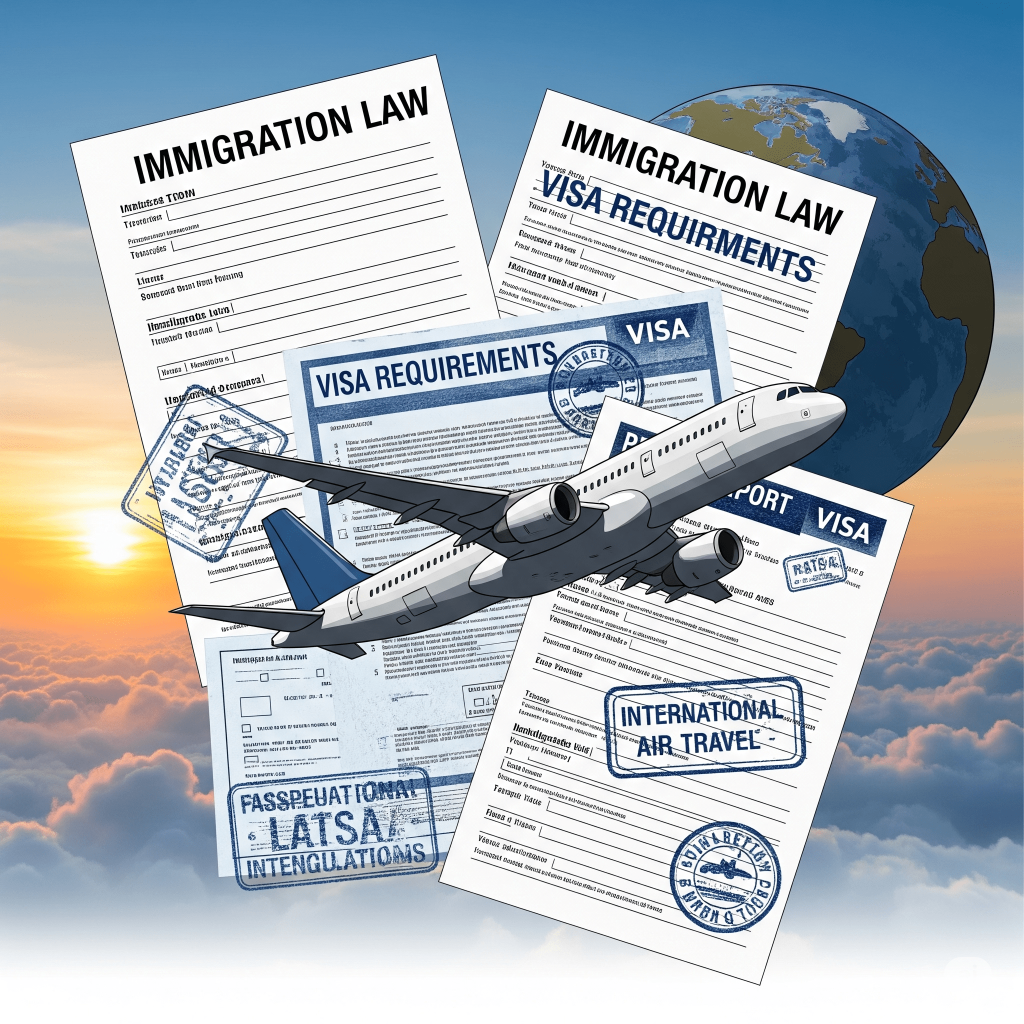
Nepal’s immigration landscape has evolved significantly in recent years, creating both opportunities and challenges for foreign nationals and Nepali citizens alike. Whether you’re facing visa overstays, residency complications, or seeking permanent settlement, understanding Nepal’s immigration laws is crucial for resolving legal issues effectively.
This comprehensive guide provides practical solutions to common visa problems while explaining the legal framework that governs immigration in Nepal.
Understanding Nepal’s Immigration Legal Framework
Nepal’s immigration system operates under a complex web of laws and regulations that have been modernized to meet international standards while protecting national interests. The legal foundation encompasses constitutional provisions, parliamentary acts, and administrative regulations that collectively govern the entry, stay, and rights of foreign nationals.
Primary Legal Instruments:
The Immigration Act 2049 (1992) serves as the cornerstone legislation, establishing fundamental principles for foreign entry and residence. This act has undergone multiple amendments, with the most recent updates in 2019 addressing modern immigration challenges including digital processing and enhanced security measures.
The Immigration Regulation 2051 (1994) provides detailed procedural guidelines for implementing the Immigration Act. These regulations cover everything from visa application processes to deportation procedures, offering specific frameworks for different types of immigration cases.
Nepal’s Constitution 2015 includes provisions affecting immigration, particularly Article 11 which addresses citizenship rights and Article 16 concerning the right to live with dignity. These constitutional provisions often play crucial roles in complex immigration cases involving family reunification and humanitarian considerations.
Recent Legal Developments:
The Foreign Employment Act 2064 (2007) and its 2018 amendments have created new categories of work-related visas and residence permits. These changes reflect Nepal’s growing economy and need for skilled foreign workers while protecting domestic employment interests.
The Investment Summit Act 2019 introduced special visa categories for investors and entrepreneurs, streamlining processes for those contributing to Nepal’s economic development. This represents a significant shift toward investment-friendly immigration policies.
Types of Visas and Immigration Status in Nepal
Understanding the various visa categories is essential for resolving immigration issues, as different statuses carry distinct rights, obligations, and resolution pathways.
Tourist Visas: Tourist visas remain the most common entry method for foreign nationals. Available for 15, 30, or 90-day periods, these visas can be extended up to 150 days per calendar year. Common issues include overstays, multiple-entry complications, and conversion to other visa types.
Business Visas: Business visas facilitate commercial activities and can be issued for periods ranging from one month to one year. Holders can engage in business meetings, conferences, and preliminary investment activities but cannot undertake employment or establish permanent business operations without additional permits.
Work Visas and Permits: Work authorization requires both a visa and a separate work permit issued by the Department of Labor. The process involves employer sponsorship, skill verification, and demonstration that no qualified Nepali citizen is available for the position. Work visa issues often involve permit renewals, job changes, and employer compliance problems.
Student Visas: Student visas are granted to foreign nationals enrolled in recognized educational institutions. These require proof of admission, financial capability, and academic credentials verification. Common issues include maintaining enrollment status, work authorization during studies, and post-graduation residence options.
Dependent and Family Visas: Family reunion visas allow foreign nationals to join Nepali citizen spouses or family members. These visas often lead to long-term residence and eventual citizenship applications. Issues frequently arise regarding documentation requirements, relationship proof, and status transitions.
Investment Visas: Investment visas cater to foreign nationals making significant economic contributions to Nepal. Minimum investment thresholds and sector-specific requirements apply. Resolution often involves demonstrating continued investment commitment and compliance with economic regulations.
Common Visa Issues and Legal Problems
Immigration problems in Nepal typically fall into several categories, each requiring specific legal approaches and documentation strategies.
Visa Overstays: Overstaying authorized periods represents the most frequent immigration violation. Penalties include daily fines, potential deportation, and future entry restrictions. The severity of consequences depends on overstay duration, circumstances, and previous violations.
Legal Solutions for Overstays:
- Immediate voluntary departure with penalty payment
- Extension applications with valid justifications
- Status change applications when eligible
- Humanitarian exception requests for compelling circumstances
- Legal representation for deportation proceedings
Documentation Irregularities: Missing, expired, or fraudulent documents create significant legal complications. These issues often arise from incomplete application processes, administrative errors, or deliberate misrepresentation.
Resolution Strategies:
- Document reconstruction through official channels
- Embassy assistance for lost or damaged documents
- Correction procedures for administrative errors
- Legal representation for fraud allegations
- Authentication processes for questioned documents
Status Change Complications: Converting from one visa category to another often involves complex procedures and strict eligibility requirements. Common scenarios include tourist-to-business conversions, student-to-work transitions, and temporary-to-permanent residence applications.
Legal Pathways:
- Meeting specific eligibility criteria for target status
- Maintaining lawful status during application processing
- Providing comprehensive supporting documentation
- Understanding processing timelines and interim provisions
- Professional legal guidance for complex cases
Employment Authorization Issues: Work-related immigration problems involve both immigration status and labor law compliance. Employers and employees face various challenges in maintaining legal employment relationships.
Common Employment Issues:
- Working without proper authorization
- Employer non-compliance with permit requirements
- Job changes requiring new authorizations
- Permit renewal delays affecting continued employment
- Sector-specific work restrictions and violations
Department of Immigration: Procedures and Processes
The Department of Immigration serves as Nepal’s primary immigration authority, handling visa applications, status changes, and enforcement actions. Understanding departmental procedures is crucial for effective issue resolution.
Organizational Structure: The Department operates through regional offices in Kathmandu, Pokhara, Birgunj, Bhairahawa, and Kakarbhitta. Each office handles specific geographical jurisdictions and specialized functions, with Kathmandu serving as the primary center for complex cases and policy implementation.
Application Processes: Standard procedures involve form completion, document submission, fee payment, and processing periods that vary by application type. The Department has introduced online systems for certain services, though many complex cases still require in-person appearances.
Appeal Mechanisms: Departmental decisions can be challenged through administrative review processes and, ultimately, judicial review in appropriate courts. Understanding these mechanisms is essential for cases involving negative decisions or disputed interpretations of immigration law.
Legal Rights of Foreign Nationals in Nepal
Foreign nationals in Nepal possess specific rights and protections under law, regardless of their immigration status. Understanding these rights is crucial for effective legal representation and issue resolution.
Fundamental Rights: The Constitution guarantees certain fundamental rights to all persons within Nepal’s territory, including foreign nationals. These include rights to personal liberty, equality before law, and protection from arbitrary detention.
Due Process Rights: Immigration proceedings must follow established legal procedures, including notice requirements, opportunity to respond, and access to legal representation. Violations of due process can form grounds for challenging immigration decisions.
Consular Access: Foreign nationals have rights to contact their embassies or consulates when facing immigration issues. Consular assistance can provide crucial support in documentation, legal representation, and diplomatic intervention when appropriate.
Family Unity Rights: International law principles regarding family unity influence Nepal’s immigration decisions, particularly in cases involving family separation or deportation of primary breadwinners.
Resolution Strategies for Different Visa Issues
Effective resolution of immigration issues requires tailored strategies based on specific circumstances, legal status, and available remedies.
Immediate Response Strategies: When facing immigration problems, immediate actions can significantly impact ultimate outcomes. These include gathering relevant documentation, seeking legal consultation, and avoiding actions that might worsen legal positions.
Documentation Preparation: Comprehensive documentation forms the foundation of successful immigration issue resolution. This includes identity documents, status verification, financial records, employment documentation, and relationship evidence where relevant.
Legal Representation Benefits: Professional legal representation provides significant advantages in immigration cases, including knowledge of current laws, experience with departmental procedures, and advocacy skills for complex cases.
Administrative vs. Judicial Remedies: Understanding when to pursue administrative remedies through immigration authorities versus judicial remedies through court systems is crucial for efficient and effective resolution.
Step-by-Step Guide to Resolving Visa Overstays
Visa overstays represent the most common immigration issue, requiring prompt and strategic responses to minimize consequences.
Immediate Assessment: First, determine the exact duration of overstay and calculate applicable penalties. Nepal imposes daily fines for overstays, with rates varying based on visa type and duration of violation.
Documentation Review: Gather all relevant documents including passport, visa records, entry stamps, and any correspondence with immigration authorities. Complete documentation is essential for demonstrating circumstances and seeking favorable resolution.
Penalty Calculation: Current overstay penalties range from USD 2-5 per day for tourist visas to higher amounts for other visa categories. Calculate total liability and prepare for payment, as this is typically required regardless of circumstances.
Extension vs Departure Options: Evaluate whether visa extension is possible versus immediate departure. Extensions may be available for compelling reasons, while voluntary departure often results in lower penalties than deportation proceedings.
Legal Consultation: Complex overstay cases, particularly those involving long durations or previous violations, benefit significantly from professional legal guidance to navigate available options and potential consequences.
Work Permit and Employment Visa Solutions
Employment-related immigration issues require understanding both immigration law and labor regulations, as violations can affect both foreign employees and their employers.
Work Permit Requirements: Foreign nationals must obtain work permits before commencing employment in Nepal. This process involves employer applications, skill assessments, labor market testing, and various approvals from multiple government departments.
Compliance Obligations: Employers hiring foreign nationals must comply with various obligations including permit applications, workplace condition standards, and reporting requirements. Non-compliance can result in penalties and affect future hiring capabilities.
Job Change Procedures: Changing employers requires new work permit applications and, potentially, visa status modifications. The process must be completed before commencing work with new employers to avoid violations.
Renewal Processes: Work permits typically require annual renewal with updated documentation proving continued employment necessity and compliance with original approval conditions.
Student Visa Maintenance and Issues
Student visas carry specific obligations regarding educational progress, institutional enrollment, and activity restrictions that create unique legal challenges.
Enrollment Maintenance: Student visa holders must maintain continuous enrollment in approved educational institutions. Gaps in enrollment can result in status violations and require immediate attention to maintain legal presence.
Academic Progress Requirements: Some student visas include academic progress requirements, and failure to meet these standards can affect visa renewal and continued stay authorization.
Work Authorization for Students: Student visa holders face restrictions on employment activities. Understanding permitted work categories and obtaining proper authorization is crucial for avoiding violations.
Post-Graduation Options: Students completing studies may be eligible for status changes to employment-based visas or other categories, but these transitions require careful planning and timely applications.
Family Reunification and Dependent Visas
Family-based immigration involves complex documentation and proof requirements that often create challenging legal situations.
Relationship Documentation: Proving family relationships for visa purposes requires comprehensive documentation including marriage certificates, birth certificates, and other official records. Missing or inadequate documentation creates significant obstacles.
Financial Support Requirements: Family visa sponsors must demonstrate financial capability to support dependents. This involves income verification, asset documentation, and sometimes financial guarantees.
Integration Requirements: Some family visa categories include integration requirements such as language proficiency or cultural orientation, failure to meet which can affect status maintenance.
Investment and Business Immigration
Business and investment immigration represents a growing category with specific legal requirements and opportunities for resolution of status issues.
Investment Thresholds: Different investment visa categories require minimum investment amounts ranging from USD 50,000 to USD 500,000 depending on the sector and visa type.
Business Compliance: Investment visa holders must comply with business operation requirements, employment creation targets, and ongoing investment maintenance obligations.
Sector Restrictions: Certain business sectors remain restricted for foreign investment, and violations can result in serious immigration consequences including deportation and investment forfeiture.
Deportation and Removal Proceedings
Understanding deportation procedures and available defenses is crucial for foreign nationals facing removal from Nepal.
Grounds for Deportation: Common deportation grounds include visa violations, criminal convictions, national security concerns, and public health issues. Each ground carries different procedural requirements and potential defenses.
Procedural Rights: Individuals facing deportation have rights to notice, legal representation, interpretation services, and appeal opportunities. Ensuring these rights are protected is essential for fair proceedings.
Available Defenses: Potential deportation defenses include humanitarian considerations, family ties, health conditions, and country condition concerns. Professional legal representation is crucial for identifying and presenting applicable defenses.
Voluntary Departure Options: Voluntary departure often provides better outcomes than forced removal, including reduced penalties and fewer restrictions on future entry to Nepal.
Legal Representation and Professional Services
Professional legal assistance provides significant advantages in immigration cases, particularly for complex issues or cases involving potential serious consequences.
When to Seek Legal Help: Legal representation is advisable for overstay cases exceeding 30 days, employment authorization issues, deportation proceedings, complex family cases, and any situation involving potential criminal charges.
Choosing Immigration Lawyers: Effective immigration lawyers should have specific experience with Nepal immigration law, language capabilities appropriate for client needs, and demonstrated success in similar cases.
Legal Service Costs: Immigration legal services in Nepal typically range from NPR 25,000 for simple consultations to NPR 200,000+ for complex deportation defense, depending on case complexity and required services.
Alternative Legal Resources: Non-profit organizations, embassy legal assistance, and pro bono services may be available for certain categories of immigration cases, particularly those involving humanitarian concerns.
Frequently Asked Questions (FAQs)
General Immigration FAQs
Q: What should I do if I’ve overstayed my visa in Nepal? A: Immediate action is crucial. Calculate your overstay penalties, gather all relevant documents, and consider seeking legal consultation if the overstay exceeds 30 days. You can either apply for an extension if eligible, or prepare for voluntary departure with penalty payment.
Q: Can I change my tourist visa to a work visa while in Nepal? A: Yes, but this requires meeting specific eligibility criteria including having a job offer from a registered employer, obtaining a work permit, and submitting proper applications before your current visa expires. The process can take several weeks.
Q: How much are overstay penalties in Nepal? A: Tourist visa overstay penalties are USD 3 per day for the first 30 days, then USD 5 per day thereafter. Business and other visa types may have different penalty structures. Additional fees may apply for late renewal applications.
Q: What documents do I need to extend my visa in Nepal? A: Requirements include your passport, current visa, recent photographs, completed application forms, proof of financial means, and specific documents based on your visa type (such as hotel bookings for tourists or employment letters for business visas).
Q: Can I work in Nepal on a tourist visa? A: No, working on a tourist visa is illegal and can result in fines, deportation, and future entry bans. You must obtain proper work authorization before engaging in any employment activities.
Q: How long does it take to get a work permit in Nepal? A: Work permit processing typically takes 2-4 weeks after submitting complete applications, though complex cases may take longer. The process involves multiple government departments and requires employer participation.
Q: What happens if I’m caught working without a permit? A: Penalties include fines up to NPR 100,000, immediate deportation, and potential bans on future entry. Employers may also face penalties for hiring unauthorized workers.
Q: Can my family join me in Nepal on my work visa? A: Yes, dependent visas are available for spouses and unmarried children under 18. You must demonstrate financial capability to support them and meet other eligibility requirements.
Visa Extension and Renewal FAQs
Q: How many times can I extend my tourist visa? A: Tourist visas can be extended up to a maximum of 150 days per calendar year. After reaching this limit, you must leave Nepal and cannot return on a tourist visa until the next calendar year.
Q: What if my visa expires while I’m in a remote area of Nepal? A: You should travel to the nearest immigration office as soon as possible to address the overstay. Document your location and circumstances, as these may be considered when determining penalties.
Q: Can I extend my visa if I’m in the hospital? A: Medical emergencies may qualify for visa extensions or penalty waivers. You’ll need medical documentation from recognized hospitals and should contact immigration authorities as soon as possible.
Q: What’s the difference between visa extension and visa renewal? A: Visa extension continues your current visa status for additional time, while visa renewal involves applying for a new visa of the same or different type. Extensions are typically simpler and faster.
Employment and Business FAQs
Q: Can I start a business in Nepal as a foreign national? A: Yes, but this requires obtaining appropriate investment visas, registering your business, and complying with foreign investment regulations. Minimum investment requirements and sector restrictions apply.
Q: What happens to my visa if I lose my job? A: You typically have a grace period to find new employment or change your visa status. The exact timeframe depends on your specific visa type and circumstances. Immediate legal consultation is advisable.
Q: Can I change employers while on a work visa? A: Yes, but you must obtain a new work permit for the new employer before starting work. This involves applying for permit transfer or new permit issuance.
Q: Do I need a work permit for volunteer work? A: Generally, yes. Even unpaid volunteer work typically requires proper authorization. Some exceptions may apply for short-term humanitarian work, but it’s best to verify with immigration authorities.
Family and Student FAQs
Q: How can my Nepali spouse help with my visa issues? A: Nepali citizen spouses can sponsor family reunion visas and provide support for various immigration applications. Marriage to a Nepali citizen also provides pathways to long-term residence and eventual citizenship.
Q: Can I work while studying in Nepal? A: Student work authorization is limited and requires separate permits. Part-time work may be allowed with proper authorization, but full-time employment typically requires status changes.
Q: What if my educational institution loses its recognition? A: This can affect your student visa status. You may need to transfer to another recognized institution or change your visa status to maintain legal presence in Nepal.
Q: Can divorced foreign nationals stay in Nepal? A: Divorce affects family-based visa status, but other legal pathways may be available depending on circumstances such as employment, investment, or humanitarian considerations.
Legal Process FAQs
Q: How long do deportation proceedings take? A: Deportation processes can range from immediate removal for serious violations to several months for complex cases involving appeals and legal challenges.
Q: Can I appeal a negative visa decision? A: Yes, most immigration decisions can be appealed through administrative processes and, ultimately, judicial review. Time limits apply, so immediate action is important.
Q: What rights do I have if arrested by immigration officers? A: You have rights to legal representation, consular contact, interpretation services, and fair treatment. Understanding these rights is crucial for protecting your interests.
Q: Can I return to Nepal after deportation? A: Return possibilities depend on deportation reasons and any imposed bans. Some cases may allow return after specific periods, while others may result in permanent bans.
Emergency Situations and Urgent Visa Issues
Immigration emergencies require immediate response to prevent escalation and minimize negative consequences.
Medical Emergencies: Foreign nationals facing medical emergencies while in visa violation status should prioritize medical treatment while simultaneously addressing immigration issues. Hospitals can provide documentation supporting visa extension requests based on medical necessity.
Family Emergency Situations: Family emergencies in home countries or Nepal may qualify for emergency visa processing or extensions. Documentation from relevant authorities and immediate application submission are crucial.
Document Loss or Theft: Lost or stolen passports and visas create urgent immigration issues requiring immediate embassy contact and immigration office notification. Replacement procedures must be completed promptly to avoid status violations.
Natural Disasters and Force Majeure: Natural disasters or other force majeure events affecting travel or compliance with immigration requirements may qualify for special consideration or penalty waivers.
Recent Policy Changes and Updates
Nepal’s immigration policies continue evolving to address modern challenges and international standards.
Digital Processing Initiatives: Online application systems are being expanded for various visa categories, reducing processing times and improving transparency. These systems also provide better tracking capabilities for application status.
COVID-19 Related Policies: Pandemic-related immigration policies continue affecting visa processing, extension procedures, and entry requirements. Health documentation and vaccination requirements may apply to various visa categories.
Investment Policy Updates: Recent changes to investment policies have created new opportunities for business and investment visas while tightening compliance requirements for existing permit holders.
Regional Integration Initiatives: South Asian regional integration efforts are creating new visa categories and simplified procedures for citizens of SAARC countries, affecting both tourist and business travel.
Prevention Strategies and Compliance
Preventing immigration issues is more effective than resolving violations after they occur.
Record Keeping: Maintaining comprehensive records of all immigration documents, applications, and correspondence is crucial for preventing issues and supporting any necessary legal proceedings.
Calendar Management: Tracking visa expiration dates, renewal deadlines, and other important dates prevents inadvertent violations and ensures timely compliance actions.
Regular Legal Consultation: Periodic legal consultation can identify potential issues before they become violations and ensure ongoing compliance with changing immigration requirements.
Understanding Obligations: Each visa category carries specific obligations and restrictions. Understanding these requirements is essential for maintaining legal status and avoiding violations.
Resources and Support Services
Various resources are available to assist foreign nationals with immigration issues in Nepal.
Government Resources:
- Department of Immigration offices and websites
- Embassy and consular services
- Legal aid programs for eligible individuals
- Government information hotlines
Non-Governmental Support:
- International organization assistance programs
- Humanitarian aid organizations
- Community support groups
- Professional association resources
Legal and Professional Services:
- Immigration law firms and individual practitioners
- Translation and document services
- Consultation and advisory services
- Emergency legal assistance programs
Cost Analysis: Immigration Legal Services
Understanding the costs associated with immigration legal services helps in budgeting for comprehensive issue resolution.
Legal Consultation Fees:
- Initial consultations: NPR 5,000-15,000
- Complex case analysis: NPR 15,000-30,000
- Emergency consultations: NPR 10,000-25,000
Representation Costs:
- Simple extension applications: NPR 25,000-50,000
- Work permit applications: NPR 50,000-100,000
- Deportation defense: NPR 100,000-300,000
- Complex family cases: NPR 75,000-200,000
Additional Service Costs:
- Document translation: NPR 2,000-5,000 per document
- Authentication services: NPR 3,000-10,000
- Emergency processing fees: 50-100% premium
- Court filing and appearance fees: NPR 10,000-50,000
Success Stories and Case Studies
Real-world examples demonstrate effective strategies for resolving various immigration issues.
Overstay Resolution Case: A European tourist overstayed by 45 days due to medical treatment. Through proper documentation of medical necessity and legal representation, penalties were reduced by 60% and future entry restrictions avoided.
Work Permit Compliance: An IT professional faced permit violations when changing employers. Strategic legal guidance facilitated proper permit transfer without employment interruption or status violations.
Family Reunification Success: A mixed-nationality couple resolved complex documentation issues for family visa approval through systematic document reconstruction and embassy coordination.
Investment Visa Resolution: An investor facing compliance issues due to business restructuring maintained legal status through proper legal guidance and regulatory compliance measures.
Conclusion
Immigration law in Nepal presents both opportunities and challenges for foreign nationals seeking to visit, work, study, or establish residence in the country. Understanding the legal framework, available remedies, and prevention strategies is crucial for maintaining legal status and resolving issues effectively when they arise.
The complexity of immigration law makes professional legal assistance valuable for many situations, particularly those involving potential serious consequences such as deportation or long-term entry restrictions. However, basic understanding of rights, obligations, and available resources can help foreign nationals navigate many immigration challenges successfully.
Nepal’s immigration system continues evolving to balance national security interests with economic development needs and humanitarian obligations. Staying informed about policy changes and maintaining compliance with current requirements is essential for all foreign nationals present in Nepal.
Whether facing immediate immigration crises or planning long-term residence strategies, comprehensive understanding of Nepal’s immigration laws provides the foundation for successful outcomes. The investment in proper legal guidance and proactive compliance measures typically proves far more cost-effective than addressing violations after they occur.
Remember that immigration law affects not only legal status but also employment opportunities, family relationships, and long-term life planning. Taking immigration matters seriously and addressing issues promptly protects both immediate interests and future opportunities in Nepal.
This guide provides general information about Nepal’s immigration laws as of 2025. Immigration law is complex and subject to frequent changes. For specific legal advice regarding your situation, consult with qualified immigration attorneys registered with the Nepal Bar Association. Always verify current requirements with official government sources before taking action on immigration matters.