Introduction
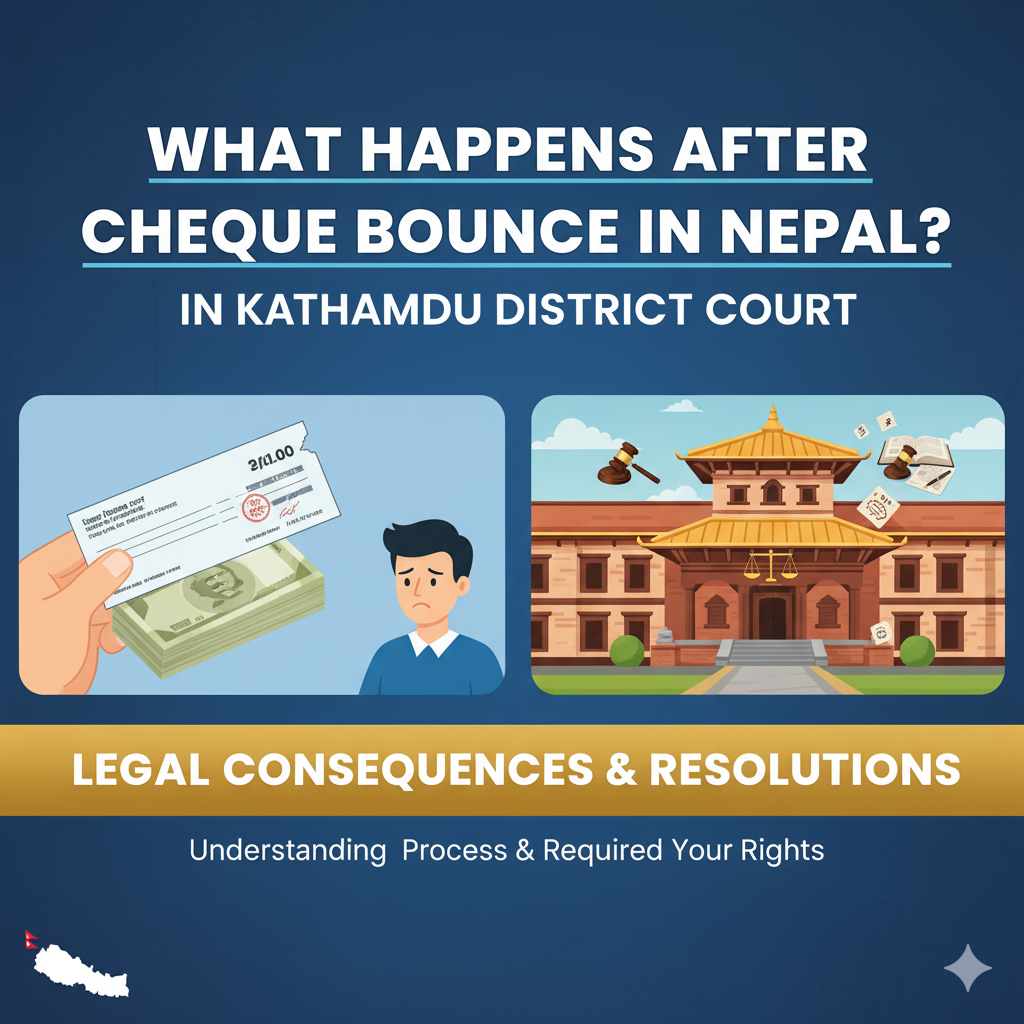
Kathmandu District Court serves as the primary judicial institution in Nepal’s capital. The court was established in 2021 B.S. (1964 A.D.), making it one of the most significant legal institutions in the country. This comprehensive guide will help you understand how to navigate the court system effectively.
Understanding Kathmandu District Court
What is Kathmandu District Court?
District courts in Nepal are the third layer of court after Supreme Court and High Courts. The Kathmandu District Court handles both civil and criminal cases within its jurisdiction. Located in Babar Mahal, the court serves millions of citizens and foreigners residing in the capital.
Historical Background
The court’s establishment dates back to the reign of Prime Minister Jung Bahadur Rana. Prior to the rule of then Prime Minister Jung Bahadur Rana, there were two courts in the district known as Kathmandu East Division and Kathmandu West Division. The unified system was created to streamline judicial processes.
Services Offered
Core Judicial Services
The Kathmandu District Court provides the following services unless otherwise specified by law: Initiation and adjudication of all cases within its geographical jurisdiction. The court handles various types of cases including:
- Civil disputes
- Criminal cases
- Family matters
- Commercial disputes
- Land-related issues
Legal Aid Services
Provision of government-paid legal aid for the underprivileged or incapacitated is available. This service ensures access to justice for all citizens regardless of economic status.
| Service Type | Description | Cost |
|---|---|---|
| Civil Cases | Property, contract disputes | Court fees apply |
| Criminal Cases | Theft, assault, fraud | Government prosecution |
| Family Cases | Divorce, custody, inheritance | Minimal fees |
| Legal Aid | Free legal assistance | No cost |
How to File a Case
Step-by-Step Process
Filing a case at Kathmandu District Court involves several straightforward steps:
- Document Preparation: All necessary documents must be prepared according to legal requirements.
- Application Submission: The case application is submitted to the court registry.
- Fee Payment: Appropriate court fees are paid at the designated counter.
- Case Registration: The case receives a unique number for tracking purposes.
- Notice Service: Court notices are served to all parties involved.
Required Documents
| Document Type | Purpose | Status |
|---|---|---|
| Application | Main case filing | Mandatory |
| Evidence | Supporting proof | Required |
| Identity Proof | Verification | Mandatory |
| Power of Attorney | Legal representation | If applicable |
Court Procedures
How to Attend Hearings
Court hearings are conducted in a structured manner. Parties must arrive on time and follow proper court etiquette. The judge presides over proceedings, and all statements are recorded.
Understanding Case Timeline
Case processing times vary based on complexity. Simple cases may be resolved within months, while complex disputes might take years. Regular follow-ups help track progress.
Jurisdiction and Authority
Geographical Jurisdiction
The District court has the power to hear the appeal case of the Local level judicial bodies established in each local body. The court’s jurisdiction covers the entire Kathmandu district.
Types of Cases Handled
The District court is the general trial court of criminal and civil cases with both government party and private party cases. This broad jurisdiction ensures comprehensive legal coverage.
Contact Information
Court Location and Hours
Address: Babar Mahal, Kathmandu, Nepal
Working Hours:
- Sunday to Thursday: 10:00 AM – 5:00 PM
- Friday: 10:00 AM – 3:00 PM
Communication Channels
Contact details are available through the Supreme Court’s official website. Multiple communication channels ensure accessibility for all citizens.
Legal Representation
How to Choose a Lawyer
Selecting appropriate legal representation is crucial. Experienced lawyers familiar with district court procedures provide better outcomes. The Nepal Bar Association maintains a directory of qualified practitioners.
Pro Bono Services
Legal aid services are available for those unable to afford representation. These services ensure equal access to justice regardless of economic circumstances.
Recent Developments
Digital Transformation
Courts across Nepal are implementing digital systems for case management. This modernization improves efficiency and transparency in judicial processes.
COVID-19 Adaptations
The court has adapted procedures to ensure safety during the pandemic. Virtual hearings and online case tracking systems have been introduced.
Tips for Success
How to Prepare Effectively
Proper preparation increases success chances. Key strategies include:
- Gathering all relevant documents
- Understanding legal procedures
- Consulting qualified lawyers
- Following court schedules strictly
Common Mistakes to Avoid
Many cases face delays due to preventable errors. Avoid these common mistakes:
- Incomplete documentation
- Missing court dates
- Improper legal representation
- Inadequate evidence collection
Frequently Asked Questions
What is the filing fee for civil cases?
Filing fees vary based on case value. Exact amounts are specified in the court fee schedule available at the registry.
How long does case processing take?
Processing times depend on case complexity. Simple matters may resolve within 6-12 months, while complex cases can take 2-3 years.
Can foreigners file cases?
Yes, foreigners can file cases at Kathmandu District Court. Proper documentation and legal representation are required.
Is legal aid available?
Government-paid legal aid for the underprivileged or incapacitated is available through designated programs.
What languages are accepted?
Nepali is the primary language. Translation services may be required for documents in other languages.
How to check case status?
Case status can be checked through the court registry or online systems where available.
Are appeals possible?
Yes, appeals can be filed to higher courts following proper procedures and timelines.
What documents are mandatory?
Identity proof, case application, evidence, and power of attorney (if represented) are typically required.
Conclusion
Kathmandu District Court plays a vital role in Nepal’s judicial system. Understanding its procedures, services, and requirements helps citizens access justice effectively. Whether filing civil cases, seeking legal aid, or understanding court processes, this guide provides essential information for successful navigation of the court system.
The court’s commitment to serving all citizens equally ensures that justice remains accessible to everyone. By following proper procedures and seeking appropriate legal guidance, individuals can effectively utilize the court’s services for their legal needs.
For the most current information, always consult the official court website or contact the court directly. Legal procedures may change, and staying informed ensures the best possible outcomes for your legal matters.