
Filing a writ petition in Nepal is one of the most powerful constitutional remedies available to citizens seeking justice against government authorities or public officials. Whether you’re facing unlawful detention, administrative negligence, or violation of fundamental rights, understanding the writ petition process can be your gateway to constitutional protection and legal remedy.
In Nepal’s evolving legal landscape, writ petitions serve as essential tools for upholding constitutional principles and ensuring government accountability. This comprehensive guide will walk you through everything you need to know about filing writ petitions in Nepal, from understanding the legal framework to completing the procedural requirements successfully.
What is writ law in Nepal?
Writ law in Nepal is established under Article 133 of the Constitution of Nepal 2015, which empowers the Supreme Court and High Courts to issue constitutional writs for the protection of fundamental rights and constitutional principles. A writ petition is a formal legal document filed before competent courts seeking judicial intervention against unlawful actions by government authorities, public officials, or statutory bodies.
The writ jurisdiction in Nepal encompasses five distinct types of constitutional writs, each designed to address specific legal violations and provide appropriate remedies. These writs function as extraordinary legal remedies when ordinary legal procedures fail to provide adequate relief or when constitutional rights are at stake.
Under Nepal’s constitutional framework, writ petitions can be filed directly before the Supreme Court or relevant High Courts without exhausting other legal remedies first, making them particularly valuable for urgent situations requiring immediate judicial intervention.
The legal foundation for writ law in Nepal draws from both constitutional provisions and established judicial precedents, creating a robust system for protecting individual rights and ensuring government accountability through judicial oversight.
Why is writ law important in Nepal?
Writ law serves as the cornerstone of constitutional governance in Nepal, providing citizens with direct access to constitutional remedies when their fundamental rights are violated or when government authorities act beyond their legal mandate. The importance of writ law extends far beyond individual cases, shaping the broader landscape of democratic governance and rule of law.
Constitutional protection through writ petitions ensures that government authorities remain accountable to the people and operate within the boundaries of law. This system prevents arbitrary exercise of power and provides immediate relief to citizens facing injustice from public officials or statutory bodies.
The accessibility of writ jurisdiction in Nepal eliminates the need to exhaust lengthy administrative procedures before seeking judicial intervention, making it particularly valuable for time-sensitive cases involving fundamental rights violations or urgent administrative matters.
Writ law also serves as a check on administrative excess and ensures that public authorities exercise their powers in accordance with constitutional principles and legal requirements. This judicial oversight mechanism maintains the balance between executive power and individual rights in Nepal’s democratic system.
Furthermore, writ petitions contribute to the development of constitutional jurisprudence in Nepal, with landmark cases establishing important precedents for future legal interpretations and applications of constitutional principles.
How to file a writ petition in Nepal
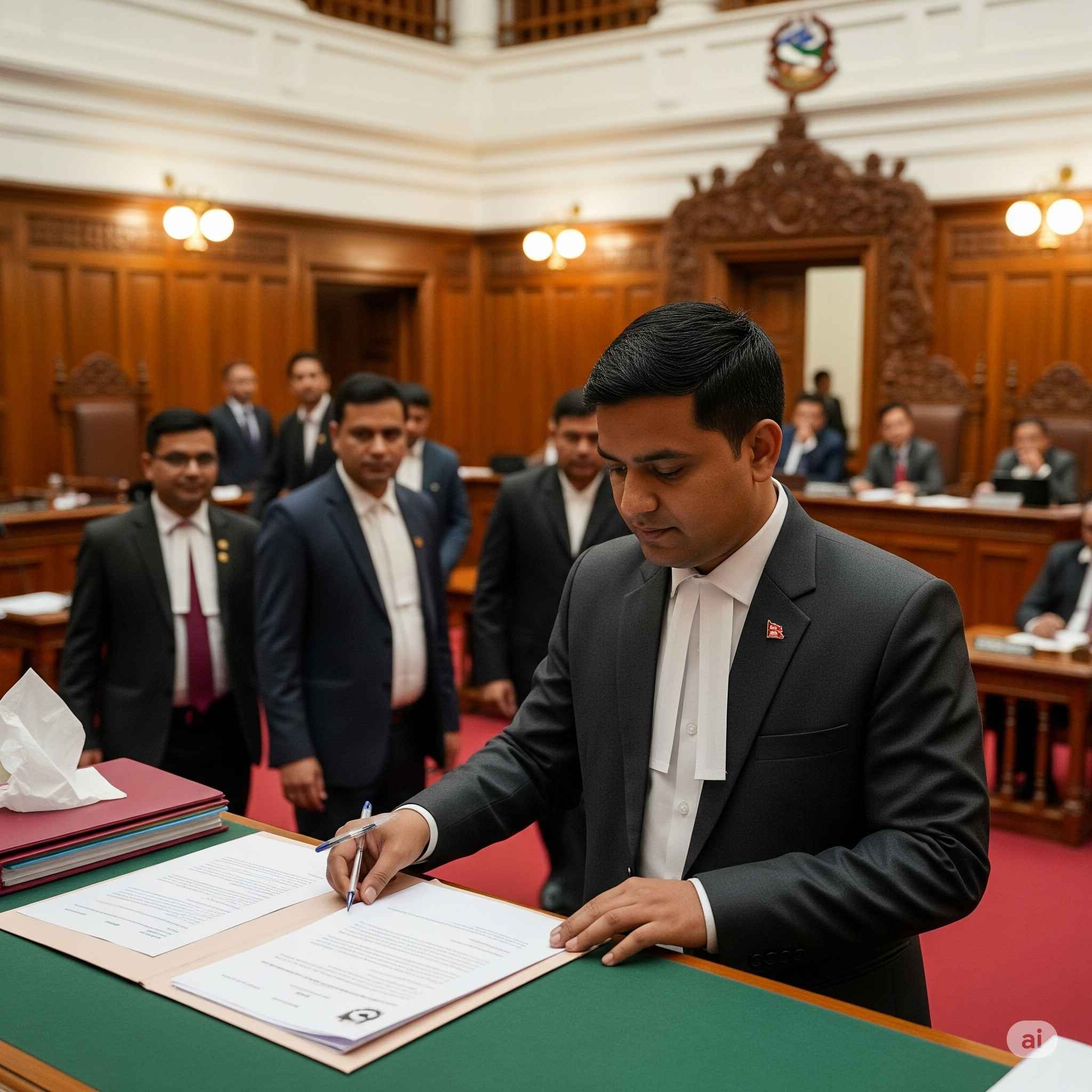
Filing a writ petition in Nepal requires careful preparation, thorough documentation, and strict adherence to procedural requirements established by the Supreme Court and High Courts. The process involves multiple stages, from initial case assessment to final court submission, each requiring specific attention to legal and procedural details.
The jurisdiction for writ petitions in Nepal is primarily vested in the Supreme Court under Article 133(2) of the Constitution, while High Courts also possess concurrent jurisdiction for certain types of writ petitions within their territorial limits. Understanding the correct jurisdiction is crucial for successful petition filing.
Key requirements for writ petitions
The fundamental requirements for filing writ petitions in Nepal include establishing legal standing (locus standi), demonstrating the violation of constitutional or legal rights, and proving that the respondent authority has acted beyond its legal mandate or failed to perform its statutory duties.
Petitioners must prepare comprehensive legal documentation including the main petition, supporting affidavits, relevant documentary evidence, and certified copies of all referenced legal documents. The petition must be drafted in the prescribed format with clear statements of facts, legal grounds, and specific relief sought.
Court fees must be paid according to the Supreme Court Fee Rules, with specific amounts varying based on the type of writ petition and the nature of relief sought. Currently, the basic court fee for writ petitions ranges from NPR 1,000 to NPR 5,000, depending on the case category.
Legal representation, while not mandatory, is highly recommended due to the technical nature of writ proceedings and the complexity of constitutional law. Qualified advocates specializing in constitutional law can significantly improve the chances of successful petition outcomes.
Steps to ensure compliance with Nepali laws
Compliance with Nepali laws in writ petition filing requires meticulous attention to both substantive legal requirements and procedural formalities established by court rules and constitutional provisions.
First, conduct thorough legal research to identify the specific constitutional or legal provisions that have been violated, gathering all relevant documentary evidence to support your claims. This includes government orders, official correspondence, relevant statutes, and any other documents that demonstrate the unlawful action or omission.
Second, determine the appropriate court jurisdiction based on the territorial limits of the violation and the type of writ petition being filed. Supreme Court jurisdiction applies to cases involving central government authorities or matters of national importance, while High Courts handle regional and local government issues.
Third, prepare the petition in the prescribed format with accurate legal citations, clear factual statements, and specific prayers for relief. The petition must comply with court formatting requirements, including proper numbering, paragraph structure, and annexure organization.
Fourth, ensure all supporting documents are properly certified, translated into Nepali if originally in other languages, and organized according to court requirements. Each document must be clearly labeled and referenced in the main petition.
| Compliance Checklist | Deadline | Required Action |
|---|---|---|
| Legal Standing Verification | Before Filing | Establish petitioner’s locus standi |
| Jurisdiction Determination | Before Filing | Identify correct court (Supreme/High) |
| Document Preparation | 7-14 days | Draft petition with supporting evidence |
| Court Fee Payment | At Filing | Pay prescribed fees per court rules |
| Service of Notice | After Filing | Serve notice to respondents |
| Rejoinder Filing | Within 15 days | Respond to counter-affidavits if required |
| Hearing Preparation | As Scheduled | Prepare legal arguments and case citations |
| Compliance Monitoring | Ongoing | Track court orders and deadlines |
Fifth, file the petition within the prescribed limitation period, if applicable, and ensure proper service of notice to all respondent parties as required by court rules. Late filing may result in dismissal unless sufficient cause is shown for the delay.
How Can Sunshine Law Firm Help?
Sunshine Law Firm stands as Nepal’s premier legal partnership for constitutional law matters, offering specialized expertise in writ petition filing and constitutional litigation. Our experienced team of constitutional law specialists has successfully handled hundreds of writ petitions across various domains, achieving favorable outcomes for clients facing complex legal challenges.
Our comprehensive writ petition services include initial case assessment, legal research and strategy development, petition drafting and documentation, court representation, and post-judgment compliance assistance. We provide end-to-end legal support from the initial consultation through final resolution, ensuring clients receive expert guidance at every stage of the process.
What sets Sunshine Law Firm apart is our deep understanding of Nepal’s constitutional framework combined with practical experience in navigating court procedures and administrative processes. Our legal team stays current with latest judicial precedents and procedural changes, ensuring our clients benefit from the most up-to-date legal strategies.
We specialize in various types of writ petitions including habeas corpus for unlawful detention cases, mandamus for compelling government action, certiorari for challenging administrative decisions, prohibition for preventing ultra vires acts, and quo warranto for questioning unauthorized appointments.
Our client-focused approach ensures personalized legal solutions tailored to each case’s unique circumstances, with transparent communication and regular updates throughout the legal process. We maintain strict adherence to professional ethics and confidentiality while delivering cost-effective legal services.
For company-related legal matters, Sunshine Law Firm serves as the best partner in Nepal, offering comprehensive corporate legal services alongside our constitutional law expertise. Our integrated approach ensures seamless handling of business law issues that may intersect with constitutional matters.
Frequently Asked Questions
Q: What types of writ petitions can be filed in Nepal? A: Nepal’s Constitution recognizes five types of writs: habeas corpus (for unlawful detention), mandamus (to compel action), certiorari (to review decisions), prohibition (to prevent ultra vires acts), and quo warranto (to challenge appointments). Each writ addresses specific legal violations and provides appropriate constitutional remedies.
Q: How long does it take to resolve a writ petition in Nepal? A: Writ petition resolution time varies based on case complexity and court workload. Simple cases may be resolved within 3-6 months, while complex constitutional matters can take 1-2 years. The Supreme Court prioritizes urgent cases involving fundamental rights violations for expedited hearing.
Q: Can I file a writ petition without a lawyer in Nepal? A: While legal representation is not mandatory, filing writ petitions without qualified legal counsel is not recommended due to the technical nature of constitutional law and complex procedural requirements. Professional legal assistance significantly improves success rates and ensures proper compliance with court rules.
Q: What is the cost of filing a writ petition in Nepal? A: Court fees for writ petitions range from NPR 1,000 to NPR 5,000 depending on the petition type and relief sought. Additional costs include legal fees, documentation charges, and miscellaneous court expenses. The total cost typically ranges from NPR 25,000 to NPR 100,000 including professional legal services.
Q: Can writ petitions be filed against private parties in Nepal? A: Writ petitions in Nepal are primarily directed against public authorities, government officials, and statutory bodies performing public functions. Private parties can be respondents only when they exercise public functions or hold public offices. Pure private disputes require different legal remedies.
Q: What happens if my writ petition is dismissed? A: Dismissed writ petitions can be appealed to higher courts within the prescribed limitation period. Alternative legal remedies may also be available depending on the case circumstances. Professional legal consultation is essential for determining the best course of action after dismissal.
Q: How do I serve notice to respondents in writ petitions? A: Notice to respondents must be served through court registry or authorized process servers according to court rules. Proper service is mandatory for valid proceedings, and failure to serve notice properly can result in case dismissal. The court provides specific guidelines for service procedures.
Conclusion
Filing a writ petition in Nepal represents a fundamental constitutional right that empowers citizens to seek justice directly from the highest courts when their rights are violated or government authorities act unlawfully. Understanding the comprehensive process, from initial assessment through final resolution, is crucial for successful outcomes in constitutional litigation.
The five types of writs available under Nepal’s Constitution provide robust protection for fundamental rights and ensure government accountability through judicial oversight. Whether seeking relief from unlawful detention, compelling government action, or challenging administrative decisions, writ petitions offer powerful legal remedies when properly utilized.
Success in writ petition filing requires meticulous preparation, thorough documentation, and strict compliance with procedural requirements. The complexity of constitutional law and court procedures makes professional legal assistance invaluable for achieving favorable outcomes and avoiding procedural pitfalls.
For individuals and organizations facing constitutional law challenges, partnering with experienced legal professionals ensures access to expert guidance, comprehensive case preparation, and effective court representation. The investment in qualified legal counsel often proves essential for protecting constitutional rights and securing appropriate legal remedies.
Ready to file your writ petition? Contact Sunshine Law Firm today for expert legal consultation and comprehensive writ petition services. Our constitutional law specialists are ready to protect your rights and guide you through every step of the legal process. Call us now for a confidential consultation and take the first step toward constitutional justice.