

Understanding Defamation Law in Nepal
Defamation in Nepal is governed primarily by the National Penal Code of Nepal, 2017 and the Civil Code (Muluki Ain), 2017. These legal frameworks define defamation as an act of harming someone’s reputation through false statements made publicly. The defamation case filing process in Nepal follows specific legal procedures that must be strictly adhered to for successful litigation.
Government Sites to Visit
- Supreme Court of Nepal
- Kathmandu District Court
- Nepal Police
- District Administration office Kathmandu
- Nepal law Commission
Legal Definition of Defamation in Nepal
According to Section 293 of the National Penal Code, 2017, defamation is defined as:
- Publishing or communicating false information about any person
- Such information causing harm to the reputation of the person
- The act being done with malicious intent or knowledge of its falsity
The law recognizes both criminal and civil defamation, with different procedures applicable to each.
Types of Defamation Recognized in Nepal
Nepal’s legal system recognizes several forms of defamation:
- Written defamation (libel): Defamatory statements made in written form
- Spoken defamation (slander): Defamatory statements made verbally
- Digital defamation: Defamatory content shared through digital platforms
- Visual defamation: Defamatory representations through images or videos
Prerequisites Before Filing a Defamation Case in Nepal
Before initiating the defamation case filing process in Nepal, certain prerequisites must be met:
Establishing the Elements of Defamation
To successfully file a defamation case in Nepal, the following elements must be established:
- False statement: The statement must be factually false
- Publication: The statement must have been communicated to at least one third party
- Identification: The statement must identify the plaintiff
- Harm: The statement must have caused actual harm to the plaintiff’s reputation
- Fault: The defendant must have acted with negligence or malice
Time Limitations for Filing Defamation Cases
The statute of limitations for defamation cases in Nepal is:
- Criminal defamation: Must be filed within 6 months from the date of publication
- Civil defamation: Must be filed within 1 year from the date of publication
Step-by-Step Defamation Case Filing Process in Nepal

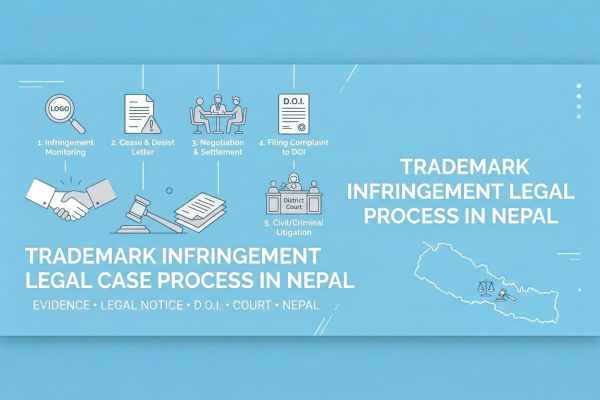
The defamation case filing process in Nepal follows a structured procedure that varies slightly depending on whether it’s a criminal or civil case.
Criminal Defamation Case Filing Process
- Lodging a First Information Report (FIR)
- Visit the nearest police station with jurisdiction
- Submit a written complaint detailing the defamatory act
- Provide supporting evidence of the defamatory statement
- Police Investigation
- Police will conduct a preliminary investigation
- They may collect evidence and record statements
- A report is submitted to the district attorney’s office
- Filing the Case in Court
- If the district attorney finds sufficient evidence, the case is filed in the appropriate district court
- The court will issue summons to the defendant
- Trial Proceedings
- Evidence is presented by both parties
- Witnesses may be examined
- The court delivers its verdict
Civil Defamation Case Filing Process
- Drafting the Plaint
- Prepare a written statement detailing the defamatory act
- Include specific facts and legal grounds
- Specify the relief sought (compensation, apology, etc.)
- Filing the Case
- Submit the plaint to the district court with appropriate jurisdiction
- Pay the required court fees
- Attach supporting documents and evidence
- Service of Summons
- The court will issue summons to the defendant
- The defendant must respond within the specified timeframe
- Pre-Trial Proceedings
- Both parties may exchange documents
- Settlement discussions may be encouraged
- Issues for trial may be identified
- Trial and Judgment
- Evidence is presented and arguments heard
- The court delivers its judgment
- Remedies may include compensation, injunction, or retraction
Required Documents for Defamation Case Filing in Nepal
When initiating the defamation case filing process in Nepal, the following documents are typically required:
Essential Documents
- Complaint application: Detailed account of the defamatory act
- Identity proof: Citizenship certificate or other valid identification
- Evidence of defamation: Screenshots, recordings, publications, etc.
- Proof of publication: Evidence that the defamatory content was shared publicly
- Witness statements: If applicable, statements from witnesses to the defamation
Supporting Documents
- Previous correspondence: Any prior communications with the defendant regarding the issue
- Damages documentation: Evidence of financial or reputational harm caused
- Legal notices: Any legal notices previously sent to the defendant
- Expert opinions: If required, expert testimony on the impact of the defamation
Court Fees and Timeline for Defamation Cases in Nepal
Applicable Court Fees
The court fees for defamation cases in Nepal vary based on the compensation claimed:
| Compensation Claimed | Court Fee (NPR) |
|---|---|
| Up to 100,000 | 1,000 |
| 100,001-500,000 | 3,000 |
| 500,001-1,000,000 | 5,000 |
| Above 1,000,000 | 10,000 |
Note: These fees are subject to change and may vary based on specific court regulations.
Expected Timeline for Defamation Cases
The defamation case filing process in Nepal typically follows this timeline:
- Initial filing: 1-2 days
- Summons service: 15-30 days
- Response filing: 15 days from summons receipt
- Evidence submission: 30-45 days
- Trial commencement: 2-3 months from filing
- Final judgment: 6-12 months from filing (varies by case complexity)
Defenses Available in Defamation Cases in Nepal
Defendants in defamation cases in Nepal may raise several defenses:
Common Legal Defenses
- Truth: If the statement is proven to be true, it serves as a complete defense
- Fair comment: Opinions on matters of public interest
- Privilege: Statements made in certain protected circumstances (parliamentary proceedings, court proceedings)
- Consent: If the plaintiff consented to the publication
- Absence of malice: Lack of malicious intent in some circumstances
Recent Legal Developments
Recent developments in Nepal’s defamation law include:
- Digital Media Provisions: Specific provisions addressing defamation on digital platforms
- Balancing Free Speech: Courts increasingly balancing defamation claims with freedom of expression
- International Influences: Growing influence of international human rights standards in defamation jurisprudence
Practical Tips for Successful Defamation Litigation in Nepal
Before Filing
- Preserve evidence: Immediately document and preserve all evidence of defamation
- Seek legal counsel: Consult with a qualified lawyer specializing in defamation law
- Consider settlement: Evaluate the possibility of an out-of-court settlement
- Act promptly: File within the statutory limitation period
During Litigation
- Maintain documentation: Keep detailed records of all proceedings
- Follow court procedures: Adhere strictly to court timelines and requirements
- Prepare witnesses: Ensure witnesses are well-prepared for testimony
- Stay organized: Maintain an organized file of all case-related documents
Impact of Defamation Laws on Media and Freedom of Expression in Nepal
Balancing Reputation Rights and Free Speech
Nepal’s legal system attempts to balance individual reputation rights with freedom of expression:
- Journalistic protections: Certain protections for responsible journalism
- Public interest defenses: Stronger defenses for matters of public concern
- Reasonable criticism: Protection for reasonable criticism of public figures
Recent Judicial Trends
Recent judicial decisions in Nepal show:
- Increasing protection for free speech: Courts showing greater sensitivity to free expression concerns
- Emphasis on actual harm: Requiring proof of actual harm rather than presumed damage
- Proportionality in remedies: Courts ensuring remedies are proportional to the harm caused
Conclusion
The defamation case filing process in Nepal is a structured legal procedure designed to protect individual reputation while balancing free expression rights. Understanding the specific legal requirements, timelines, and procedures is essential for successful litigation. As Nepal’s legal landscape continues to evolve, particularly in relation to digital media, staying informed about recent developments is crucial for both legal practitioners and potential litigants.
If you believe you have been defamed, it’s advisable to consult with a qualified legal professional who can guide you through the specific nuances of your case and help protect your legal rights effectively.
Also Read
- Education Consultancy Registration in Nepal
- Travel agency registration in Nepal
- Law Firm in Nepal
- Manpower License in Nepal
- FDI Process in Nepal
FAQ Section
What is the primary law governing defamation in Nepal?
How long do I have to file a defamation case in Nepal?
What is the difference between criminal and civil defamation in Nepal?
Can I file a defamation case for online content in Nepal?
What compensation can I seek in a civil defamation case in Nepal?
Monetary compensation for harm to reputation
Injunctions to prevent further defamatory statements
Retraction or apology from the defendant
Court costs and legal fees
Do I need a lawyer to file a defamation case in Nepal?
How has Nepal’s defamation law evolved in recent years?
Nepal’s defamation law has evolved to address:
- Digital media challenges: New provisions for online defamation
- Free speech concerns: Greater balance between reputation rights and expression
- International standards: Incorporation of international human rights principles
- Media practices: Recognition of journalistic standards and ethics
These developments reflect Nepal’s changing media landscape and its commitment to balancing competing rights in a democratic society.
Defamation Lawyer in Nepal