
Understanding Patan Uchha Adalat: Nepal’s Premier High Court
Patan Uchha Adalat stands as one of Nepal’s most significant judicial institutions, serving as a crucial pillar in the country’s legal framework. This comprehensive guide explores the court’s jurisdiction, powers, and procedural mechanisms that govern justice delivery in central Nepal.
What Makes Patan High Court Unique in Nepal’s Judicial System
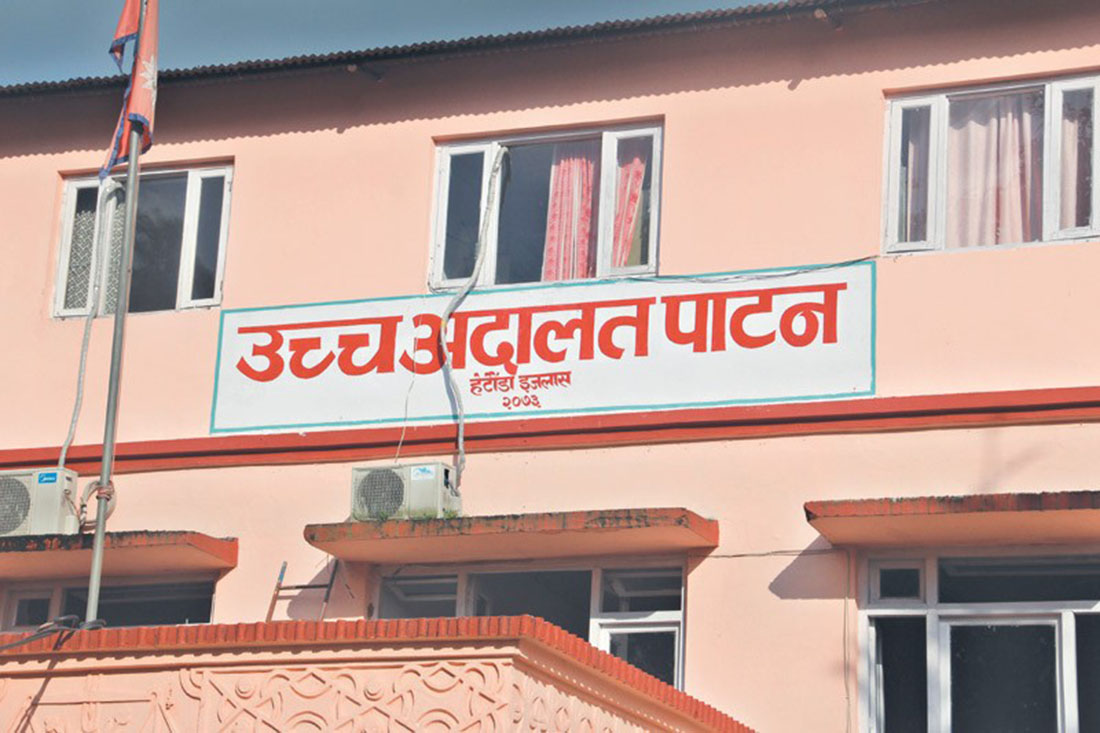
The establishment of Patan High Court represents a strategic decentralization of Nepal’s judicial system. Located in the historic city of Lalitpur, this court was created to ensure accessible justice delivery across seven key districts in central Nepal. The court’s jurisdiction encompasses both civil and criminal matters, making it an essential component of Nepal’s three-tier judicial structure.
Complete Jurisdictional Coverage of Patan Uchha Adalat
Territorial Jurisdiction Districts
| District | Population (Approx.) | Key Legal Areas | Special Courts |
|---|---|---|---|
| Lalitpur | 468,000 | Civil, Criminal, Commercial | Family Court |
| Bhaktapur | 337,000 | Heritage, Property, Criminal | Cultural Heritage Court |
| Kavrepalanchok | 385,000 | Land, Agriculture, Civil | Land Revenue Court |
| Dolakha | 186,000 | Rural, Agricultural, Family | Local Court |
| Ramechhap | 202,000 | Rural Development, Civil | Development Court |
| Sindhuli | 279,000 | Infrastructure, Criminal | Highway Court |
| Sindhupalchok | 287,000 | Disaster, Reconstruction | Reconstruction Court |
Subject Matter Jurisdiction
The court’s authority extends across multiple legal domains:
Civil Matters
- Property disputes exceeding NPR 100,000
- Commercial transactions above NPR 500,000
- Contract enforcement cases
- Family law matters including divorce and custody
- Intellectual property disputes
Criminal Jurisdiction
- Serious criminal offenses
- Appeals from district courts
- Corruption cases referred by CIAA
- Public interest litigation
- Electoral disputes
Powers and Functions: How Patan High Court Operates
Constitutional Powers Under Nepal’s Constitution
The High Court Patan is empowered by Article 226 of the Constitution of Nepal to issue writs, directions, or orders in the nature of habeas corpus, mandamus, prohibition, quo warranto, and certiorari. These extraordinary powers position the court as a guardian of fundamental rights.
Writ Jurisdiction Powers
| Writ Type | Purpose | Application Process | Timeline |
|---|---|---|---|
| Habeas Corpus | Personal liberty protection | Direct petition | 24-48 hours |
| Mandamus | Compel public duty | Written application | 2-4 weeks |
| Certiorari | Review lower court decisions | Appeal petition | 3-6 weeks |
| Prohibition | Prevent jurisdiction excess | Preventive application | 1-2 weeks |
| Quo Warranto | Challenge public office | Public interest petition | 4-8 weeks |
How to File Cases in Patan Uchha Adalat: Step-by-Step Process
Documentation Requirements
The court requires specific documentation depending on case type:
For Civil Cases:
- Certified copies of relevant documents
- Property valuation certificates
- Witness statements with affidavits
- Legal standing proof
- Court fee payment receipts
For Criminal Appeals:
- Trial court judgment copy
- Evidence documentation
- Legal representation authorization
- Appeal fee payment
- Time limitation compliance proof
Filing Procedures and Timelines
Initial Filing Process:
- Document preparation and verification
- Fee calculation and payment
- Case registration at filing counter
- Cause list publication
- Hearing date assignment
Processing Timelines:
- Simple civil matters: 6-12 months
- Complex commercial disputes: 12-24 months
- Criminal appeals: 8-16 months
- Writ petitions: 3-9 months
- Constitutional matters: Variable timeline
Notable Recent Decisions and Legal Precedents
Landmark Cases Shaping Legal Landscape
The court has established significant precedents through various high-profile cases:
Commercial Law Development: Recent decisions have strengthened commercial dispute resolution mechanisms, establishing clear guidelines for business transactions and contract enforcement.
Constitutional Rights Protection: The court’s writ jurisdiction has been instrumental in protecting fundamental rights, with several decisions expanding the scope of constitutional protections.
Environmental Justice: Patan High Court has issued groundbreaking decisions on environmental protection, balancing development needs with ecological preservation.
Judges and Administrative Structure
Current Judicial Composition
The court operates with a structured judicial hierarchy:
Chief Judge: Appointed by the Judicial Council Additional Judges: 3-5 judges depending on caseload Registrar: Administrative head Support Staff: Approximately 45 personnel
Administrative Divisions
| Division | Function | Staff Count | Key Responsibilities |
|---|---|---|---|
| Registry | Case management | 12 | Filing, scheduling, records |
| Accounts | Financial operations | 6 | Fee collection, budgeting |
| Library | Legal research | 4 | Research support, archives |
| Security | Court protection | 8 | Safety, order maintenance |
| IT Support | Technology services | 3 | Digital systems, e-filing |
How to Access Legal Services and Representation
Finding Qualified Legal Representation
The Patan High Court Bar Association maintains a roster of qualified advocates:
Senior Advocates: 25+ experienced practitioners Advocates: 150+ qualified lawyers Junior Advocates: 75+ emerging practitioners
Legal Aid Services
Free Legal Aid Committee:
- Provides representation for economically disadvantaged parties
- Covers court fees for eligible cases
- Offers legal consultation services
- Maintains 24/7 helpline
Eligibility Criteria:
- Annual income below NPR 300,000
- Marginalized community membership
- Women facing domestic violence
- Senior citizens above 70 years
Court Procedures and Practice Directions
Daily Court Operations
Court Hours: 10:00 AM – 4:00 PM (Sunday-Thursday) Filing Hours: 10:00 AM – 3:00 PM Cause List Publication: Every evening for next day Holiday Calendar: Follows government schedule
Electronic Filing System
The court has implemented modern e-filing capabilities:
Online Services Available:
- Case status tracking
- Cause list viewing
- Order and judgment downloads
- Fee payment gateway
- Document submission portal
Appeals and Review Mechanisms
Appellate Jurisdiction Structure
Appeals from Patan High Court follow established hierarchy:
To Supreme Court:
- Civil cases above NPR 1,000,000
- Criminal cases with imprisonment above 2 years
- Constitutional questions
- Public interest matters
Review Procedures:
- File within 35 days of judgment
- Pay prescribed court fees
- Provide certified trial records
- Legal representation mandatory
Special Courts and Tribunals Under Patan High Court
Specialized Judicial Bodies
Commercial Court: Handles business disputes, corporate matters, and commercial transactions exceeding NPR 1,000,000.
Administrative Court: Reviews government decisions, public service matters, and administrative actions.
Family Court: Dedicated to family disputes, child custody, domestic violence, and matrimonial issues.
Technology Integration and Modern Court Management
Digital Transformation Initiatives
Case Management System:
- Automated case tracking
- Digital file management
- Online cause list generation
- Performance monitoring dashboards
Video Conferencing Facilities:
- Remote hearing capabilities
- Witness examination via video link
- Cross-border legal proceedings
- COVID-19 safety compliance
Fee Structure and Cost Analysis
Court Fee Breakdown
| Case Type | Filing Fee | Process Fee | Miscellaneous | Total Range |
|---|---|---|---|---|
| Civil Suit | 0.5% of claim | NPR 500 | NPR 200 | NPR 1,000-50,000 |
| Criminal Appeal | NPR 1,000 | NPR 300 | NPR 150 | NPR 1,450 |
| Writ Petition | NPR 500 | NPR 250 | NPR 100 | NPR 850 |
| Commercial | 1% of value | NPR 1,000 | NPR 500 | NPR 2,000-100,000 |
Legal Research and Library Resources
Research Facilities Available
Law Library Holdings:
- 15,000+ legal texts
- Digital case law database
- International law resources
- Legal journals and periodicals
Research Support Services:
- Legal research assistance
- Precedent identification
- Citation verification
- Document preparation guidance
Frequently Asked Questions (FAQs)
Q1: What is the territorial jurisdiction of Patan Uchha Adalat?
Patan High Court has jurisdiction over Lalitpur, Bhaktapur, Kavrepalanchok, Dolakha, Ramechhap, Sindhuli, and Sindhupalchok districts. This coverage ensures comprehensive legal service delivery across central Nepal’s key regions.
Q2: How do I file a writ petition in Patan High Court?
Writ petitions require specific documentation including the violation details, legal grounds, and relief sought. File directly at the registry with prescribed fees. The court typically processes writ applications within 3-9 months depending on complexity.
Q3: What types of cases can be directly filed in Patan High Court?
Direct filing is permitted for writ petitions, original commercial disputes above NPR 500,000, matrimonial cases, and certain constitutional matters. Most cases reach the court through appeals from district courts.
Q4: How long do cases typically take in Patan High Court?
Case duration varies significantly: simple matters may conclude within 6 months, while complex commercial or constitutional cases can extend to 24 months. The court has implemented time-bound disposal mechanisms to reduce delays.
Q5: Can foreign nationals approach Patan High Court?
Yes, foreign nationals can approach the court for matters within its jurisdiction, particularly for commercial disputes, property matters, and constitutional rights violations. Legal representation through local advocates is mandatory.
Q6: What are the court fees for different types of cases?
Court fees vary by case type: civil suits charge 0.5% of claim value, criminal appeals require NPR 1,000, and writ petitions cost NPR 500. Commercial cases charge 1% of the disputed amount.
Q7: How do I check my case status online?
The court’s website provides case status tracking through case number or party name. The system updates daily with hearing dates, orders, and case progress information.
Q8: What documents are required for filing an appeal?
Appeals require certified copies of the trial court judgment, evidence records, legal representation authorization, fee payment receipts, and compliance with time limitations (typically 35 days from judgment).
Q9: Does Patan High Court provide legal aid services?
Yes, the Free Legal Aid Committee provides representation for economically disadvantaged parties, covers court fees for eligible cases, and offers legal consultation services with specific eligibility criteria.
Q10: How do I obtain certified copies of court orders?
Certified copies can be obtained from the registry office by submitting an application with prescribed fees. The process typically takes 2-3 working days for routine orders and judgments.
Strategic Legal Considerations for Practitioners
Practice Management Tips
Case Preparation Excellence:
- Thorough factual investigation
- Comprehensive legal research
- Strategic argument development
- Timeline management
- Client communication protocols
Court Advocacy Best Practices:
- Professional dress code compliance
- Punctual court appearances
- Respectful judicial interaction
- Clear argument presentation
- Document organization
Future Developments and Modernization Plans
Upcoming Infrastructure Improvements
Technology Upgrades:
- AI-powered case management
- Blockchain document verification
- Mobile court applications
- Virtual reality court tours
- Automated translation services
Physical Infrastructure:
- Additional courtroom construction
- Improved accessibility features
- Enhanced security systems
- Modern library facilities
- Digital archive development
Conclusion: Patan Uchha Adalat’s Role in Nepal’s Justice System
Patan Uchha Adalat represents a cornerstone of Nepal’s judicial architecture, serving over 2 million citizens across seven districts. Its comprehensive jurisdiction, modern facilities, and dedicated judicial personnel ensure effective justice delivery. The court’s evolution from traditional procedures to technology-enabled operations demonstrates Nepal’s commitment to judicial modernization.
Understanding the court’s jurisdiction, procedures, and services empowers citizens to access justice effectively. Whether pursuing civil remedies, criminal appeals, or constitutional protections, Patan High Court provides accessible, efficient, and fair judicial services.
The court’s continued development through technology integration, infrastructure improvement, and procedural refinement positions it as a model for judicial excellence in Nepal. Legal practitioners, litigants, and citizens benefit from this comprehensive understanding of the court’s operations and capabilities.
For those seeking justice in central Nepal, Patan Uchha Adalat stands ready to uphold the rule of law, protect constitutional rights, and deliver impartial justice through its established legal framework and dedicated judicial service.
Additional Resources:
- Official Court Website: supremecourt.gov.np/court/patanhc
- Bar Association Contact: Patan High Court Bar Association
- Legal Aid Helpline: Available during court hours
- Online Filing Portal: Accessible through court website