
Foreign Direct Investment (FDI) & Market Entry
Foreign direct investment (FDI) in Nepal is governed by the Foreign Investment and Technology Transfer Act 2019 (FITTA), which sets out who can invest, which sectors are open, and how profits can be taken out. It affects foreign individuals, companies, and Non-Resident Nepalis entering the Nepali market. Without specialist legal guidance, investors face approval delays, sector restriction errors, and repatriation problems that can lock up capital for years. Sunshine Law Firm specializes in navigating Nepal’s FDI regulations, ensuring smooth market entry for international clients across all sectors.
What does Foreign Direct Investment law cover in Nepal?
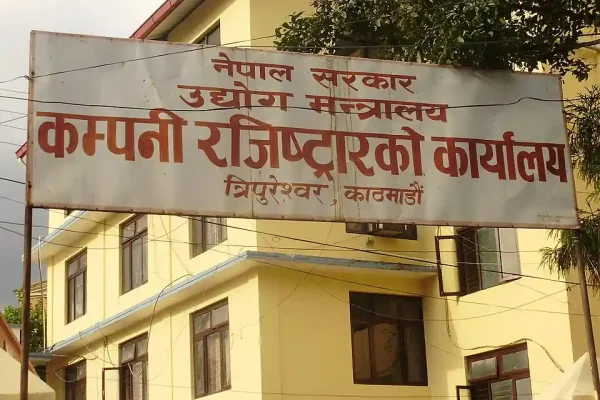
Foreign Direct Investment law in Nepal encompasses the legal framework governing how foreign individuals, companies, and organizations can invest in and operate businesses within Nepal’s territory. The Foreign Investment and Technology Transfer Act 2019 (FITTA) serves as the primary legislation, defining permissible investment forms including equity investment, loan investment, reinvestment, and technology transfer arrangements. This legal area covers investment approval procedures, sectoral restrictions, ownership limitations, and compliance requirements for foreign businesses establishing operations through subsidiary companies, branch offices, or joint ventures. The Department of Industry serves as the primary regulatory body for investments up to NPR 6 billion, while the Investment Board of Nepal handles larger projects. Foreign Direct Investment law affects international investors, multinational corporations, and non-resident Nepalis seeking to participate in Nepal’s economy and requires specialist legal guidance from a qualified lawyer.
Who needs Foreign Direct Investment legal advice in Nepal?
Anyone who plans to invest money, technology, or business operations from outside Nepal into Nepali industries needs Foreign Direct Investment legal advice. Foreign investors face complex regulatory requirements that vary based on investment size, sector, and business structure, making professional legal guidance essential for compliance and success.
• International Corporations seeking to establish subsidiary companies or branch offices in Nepal must navigate approval processes, minimum capital requirements, and sector-specific restrictions under FITTA 2019 and related regulations.
• Non-Resident Nepalis (NRNs) looking to invest in their home country require specialized advice on repatriation rights, investment incentives, and compliance with both Nepali and their country of residence’s legal requirements.
• Foreign Entrepreneurs planning to start businesses in Nepal need guidance on company incorporation, visa requirements, and understanding the difference between FDI approval and standard business registration procedures.
• Franchisors and Franchisees entering Nepal through technology transfer agreements require legal support to structure franchise arrangements that comply with FITTA’s definition of technology transfer and royalty limitations.
Failure to obtain proper FDI approval can result in rejection of investment applications, inability to repatriate profits, and potential penalties under applicable Nepali law.
Key laws governing foreign investment in Nepal
Foreign investment in Nepal is governed primarily by the Foreign Investment and Technology Transfer Act 2019 (FITTA), along with several complementary statutes that every investor must understand before entering the market.
FITTA 2019 is the cornerstone statute. Enacted on 27 March 2019, it replaced the 1992 Act and defines foreign investment, sets the approval process, lists restricted sectors, guarantees repatriation rights, and provides for dispute resolution. It introduced the One Stop Service Centre (OSSC) within the Department of Industry to consolidate services for foreign investors.
The Foreign Investment and Technology Transfer Regulations 2021 provide the procedural detail that complements FITTA including timelines, documentation requirements, and minimum investment thresholds.
The Industrial Enterprises Act 2020 (IEA) defines which sectors qualify as “industries” eligible for FDI. Foreign investment is only permissible in sectors classified as industries under the IEA and not restricted under FITTA’s Negative List.
The Public Private Partnership and Investment Act 2019 (PPPI Act) governs large-scale infrastructure, construction, and public service investments it applies alongside FITTA for investors in energy, transport, and strategic sectors.
The Nepal Law Commission maintains official texts of all enacted legislation. The Supreme Court of Nepal has final jurisdiction over FDI disputes that exhaust administrative and arbitration processes.
Why clients choose Sunshine Law Firm for Foreign Direct Investment
Sunshine Law Firm has successfully advised over 50 international clients on their Nepal market entry strategies since 2015, with a 100% approval rate for FDI applications submitted to the Department of Industry. Our lawyers have extensive experience navigating the Foreign Investment and Technology Transfer Act 2019 and maintain strong working relationships with officials at the Department of Industry, Investment Board of Nepal, and Nepal Rastra Bank. We specialize in structuring investments that maximize client benefits while ensuring full compliance with Nepali regulations, from initial approval through ongoing operations. Our team has particular expertise in technology transfer arrangements, joint venture formations, and complex multi-jurisdictional investments involving multiple regulatory approvals. We take a practical, client-first approach, focusing on clear communication and efficient processes that minimize delays and costs. Sunshine Law Firm combines deep local knowledge with international standards of service, making us the preferred choice for foreign investors entering the Nepali market.
Frequently Asked Questions
Foreign investors need legal help when planning to invest over NPR 50 million in Nepali industries, establish branch offices, or enter through technology transfer agreements. Under the Foreign Investment and Technology Transfer Act 2019, investments above this threshold require approval from the Department of Industry or Investment Board of Nepal.
Operating without proper FDI approval can result in fines, inability to repatriate profits, forced closure of operations, and potential blacklisting by Nepal Rastra Bank. The Department of Industry can order liquidation of improperly registered foreign investments under applicable Nepali law.
Yes, foreign companies can establish wholly-owned subsidiaries in most sectors under FITTA 2019, though certain restricted areas require joint ventures with Nepali partners. The Department of Industry maintains a negative list of sectors where foreign investment is limited or prohibited.
No, a local Nepali partner is not required under FITTA 2019 — a foreign investor can establish and own a 100% foreign-owned company in eligible sectors. However, certain sectors may have equity caps limiting the foreign ownership percentage, and some investors choose a joint venture structure for strategic or operational reasons. If you do enter a joint venture, a properly drafted joint venture agreement — covering governance, exit rights, and dispute resolution — is essential before incorporation.
FITTA 2019 prohibits foreign investment in Nepal's Negative List sectors, which include primary agriculture (animal husbandry, fish farming, dairy, horticulture), small and cottage industries, personal service businesses (hair salons, tailoring, driving), arms and ammunition, real estate (excluding construction), retail trade, remittance services, travel and trekking agencies, and homestay businesses. Foreign investment is only permitted in sectors classified as industries under the Industrial Enterprises Act 2020. A qualified lawyer should confirm eligibility before any capital commitment.
A branch office is an extension of a foreign company without separate legal status, while a subsidiary is a separate Nepali legal entity. Branch offices cannot make investments but can conduct business activities, whereas subsidiaries require FDI approval but have full legal personality in Nepal.
FDI approval typically takes 30-45 days through the Department of Industry's standard process, though the automatic route can be completed within 7-10 days for qualifying investments. Complex projects requiring Investment Board approval may take 60-90 days.
The minimum investment threshold for FDI approval is NPR 50 million for most sectors, though certain industries may have higher requirements. The automatic route allows investments up to NPR 500 million with simplified procedures under the 2021 amendments to FITTA.
Operating without proper FDI approval can result in fines, inability to repatriate profits, forced closure of operations, and potential blacklisting by Nepal Rastra Bank. The Department of Industry can order liquidation of improperly registered foreign investments under applicable Nepali law.